Every day, we toss things in the trash without a second thought—coffee grounds, eggshells, banana peels. But what if the very stuff you’re throwing away could bring your struggling plants back to life? That tired houseplant or sad balcony herb might not need a fancy fertilizer. It might just need the gold already sitting in your kitchen bin.
The hidden power of what you throw away
It’s easy to miss. Coffee grounds look like dirt. Eggshells seem like brittle bits of nothing. Banana peels go brown way too fast. But here’s what most people don’t realize: all of these common scraps are packed with nutrients that plants love.
- Coffee grounds: rich in nitrogen, plus bits of phosphorus and potassium—ideal for leafy growth
- Eggshells: loaded with calcium carbonate, which builds strong plant cells
- Banana peels: high in potassium—a key nutrient for fruiting and flowering plants
Instead of buying synthetic fertilizers, you could be feeding your plants for free. And unlike chemical options, these natural materials improve soil over time while supporting tiny soil organisms that do most of the hard work.
How to turn kitchen scraps into plant food
You don’t need a garden, a compost bin, or a green thumb. Just start small and simple. Pick one scrap you use daily and find it a home outside the trash can.
The easiest places to start
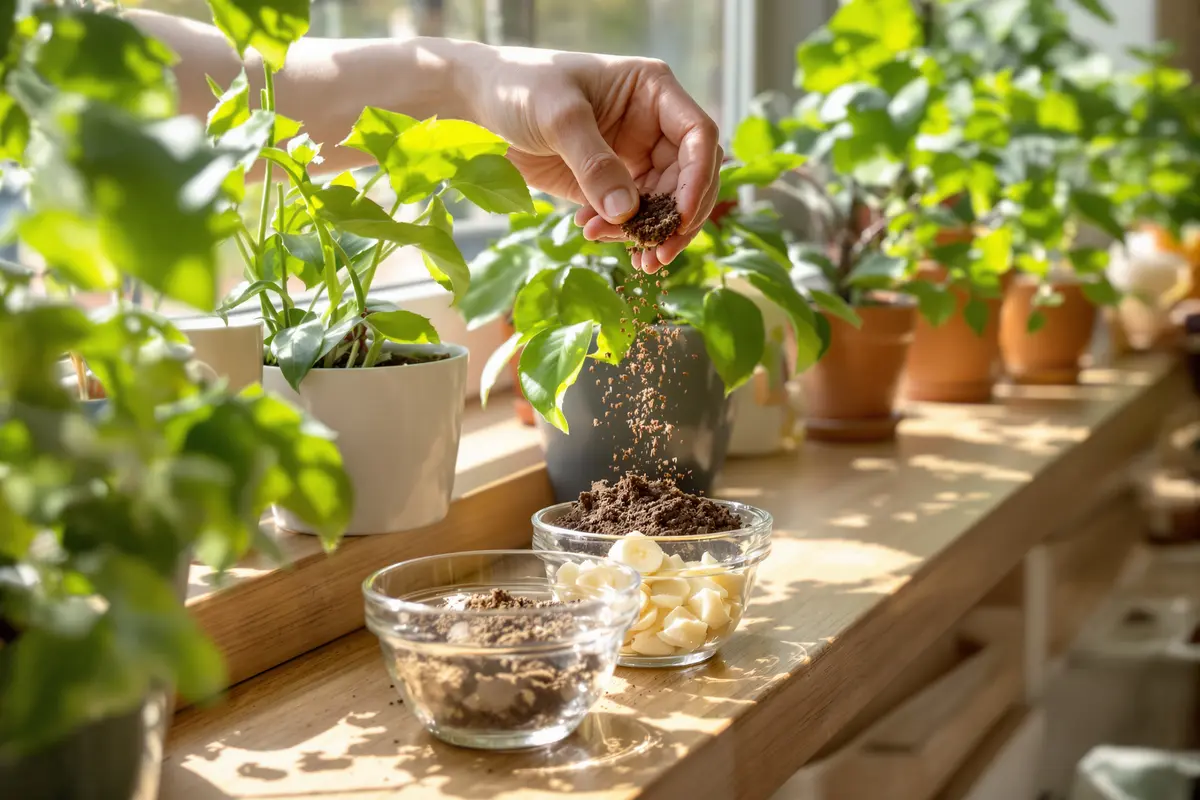
- Used coffee grounds: Let them dry on a plate. Then lightly sprinkle a pinch into your potting soil once a week. Avoid thick layers that hold water and go moldy.
- Eggshells: Rinse and let them dry. Crush them into pieces and mix into soil when repotting. Or scatter a thin ring around outdoor plants for a calcium boost.
- Banana peels: Chop into small bits and bury them in the soil around larger pots or garden beds. Don’t leave them sitting on top, or you might invite flies.
Smart habits that actually work
- Use a jar or small bowl near the sink or cutting board for scraps
- Empty it into your pots once a week—don’t overload
- Watch how the plants respond and adjust based on their needs
This isn’t about becoming a composting guru overnight. It’s about breaking the habit of tossing away nutrient-rich waste without thinking. And guess what? You might even enjoy it.
What’s happening in your soil?
Think of your soil as a living city. When you add small bits of organic waste, you’re not just feeding your plant—you’re feeding an entire underground team.
Here’s how it works:
- Microbes break down scraps into simple compounds like nitrate and phosphate, which roots absorb
- Earthworms drag tiny pieces deeper into the soil, improving structure and aeration
- Fungi create thin threads that connect roots and help them access more nutrients
All this happens naturally—no tech required. That’s why even the smallest trickle of scraps makes a difference, especially over time. Your leftovers fuel the cycle of growth with zero packaging, shipping, or waste.
Common mistakes to avoid
A few tips to make sure your scrap-fed plants thrive, not suffer:
- Don’t dump thick layers of wet coffee—use a dusting, not a mat
- Chop or crush scraps so they break down faster and evenly
- Avoid citrus peels on young or sensitive plants—they’re too acidic
- Don’t treat scraps like “miracle grow”—they work best slow and steady
Why this habit sticks
There’s something quietly joyful about feeding your plants with yesterday’s breakfast. As one indoor gardener put it, “It felt like I’d discovered a life hack—like I was doing something important, even if it only took three minutes.”
That pride matters. It turns a boring chore into a rewarding ritual. And when you start seeing stronger leaves and brighter blooms in a pot you almost gave up on, you’ll know why it’s worth it.
Does this work for indoor plants?
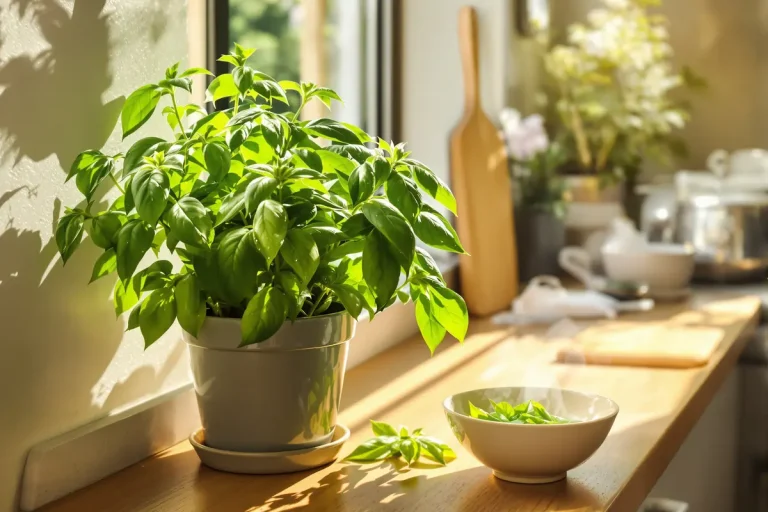
Yes! Just be sure to use modest amounts and keep things clean and dry. Over time, even a windowsill herb garden or a living room pothos can benefit from this easy feeding routine.
Recap: your scraps are secret fertilizer
- Feed houseplants with leftover coffee & eggshells for free
- Mix scraps into soil in small amounts—don’t dump them on top
- Watch for signs like greener leaves and faster growth
- A small habit can lead to a big change in how you care for plants
So next time you’re about to toss coffee grounds or shells into the bin, pause. Picture your plants reaching for that goodness. With one small switch, you’re not only reducing waste—you’re recycling life back into your home.