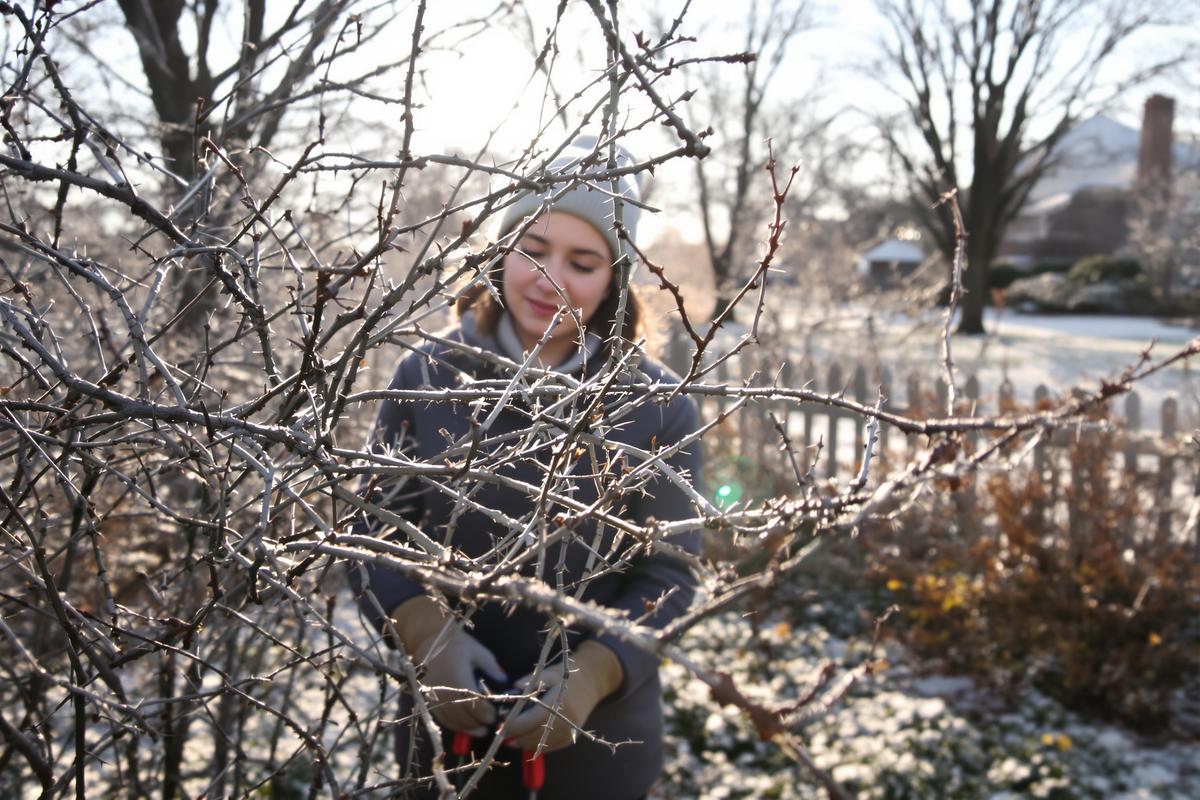
Think it’s a good time to cut back those wild brambles in your yard this December? Think again. While winter might seem like the perfect season for garden cleanup, one expert says there’s a mistake many people make with bramble pruning—one that could cost you your entire berry crop.
Why timing matters more than you think
Brambles like blackberries and raspberries may look tough, but their fruiting patterns are delicate. Many gardeners unknowingly prune the wrong canes at the wrong time. This can seriously affect the plant’s ability to produce fruit next summer.
Here’s the thing: not all bramble canes are created equal. Some produce fruit, and others don’t—yet. Prune without knowing which is which, and you’re likely removing next season’s harvest.
Understanding bramble cane growth
To prune correctly, you need to understand how brambles grow:
- Primocanes: These are new canes that grow in the current year.
- Floricanes: These are second-year canes that produce fruit and then die.
In most varieties, fruit grows only on floricanes. After one fruiting season, these older canes wither and should be removed. But many gardeners accidentally clip the primocanes instead—eliminating next year’s crop before it even grows.
Why December pruning can backfire
If you’re heading out with pruning shears this December, be careful. In colder climates, brambles are going dormant, and it’s hard to tell which canes are which. Without leaves or fruit, they look nearly identical.
What’s more, exposing cut stems during a freeze can cause cold damage to the entire plant. This weakens new growth and makes the plant more vulnerable to pests and disease in spring.
How to prune brambles the right way
Instead of rushing into pruning while the winter wind blows, take your time and wait until late winter or early spring. Here’s a safe and effective pruning approach:
- Step 1: Wait until February or early March, depending on your climate.
- Step 2: Identify the dead, woody floricanes—they’re usually grayish and brittle.
- Step 3: Use clean, sharp pruning shears to remove these floricanes at the base.
- Step 4: Space out the remaining primocanes so they don’t crowd—this improves air circulation and berry production.
- Step 5: Tie or support growing canes onto a trellis or wire system if needed.
This method ensures you only remove what’s already finished producing, leaving the healthy shoots ready to perform next season.
One small pruning mistake = no berries
Think of it like this: if you cut off a fruiting floricane, you’ve cleaned up the plant. But if you accidentally remove the healthy primocanes in December, you’ve wiped out next summer’s harvest. That could mean no berries at all—and no return on your time and care.
And let’s face it, bramble bushes take work. From thorns and tangle to spacing and support, it’s not easy maintaining productive plants. Don’t let one simple mistimed snip undo all that effort.
A few extra winter tips for bramble care
While it’s best to hold off on pruning, December isn’t wasted. This is a good time to:
- Clear debris around the base to lower risk of pests
- Mulch lightly to insulate roots during deep cold spells
- Check supports like trellises or wires and repair if needed
Just avoid heavy cutting until cane differences are easier to spot and the worst cold has passed.
The bottom line?
Pruning brambles in December might sound like prepping early. But it can be a costly mistake if you’re not careful. You risk damaging future fruit and weakening the plant across seasons.
Instead, arm yourself with a little patience and prune smart in early spring. Your reward? Lush berries, sweeter harvests, and a bramble patch that thrives year after year.