It’s January, and your garden feels like a clean slate. You’re ready to tidy things up, trim the overgrowth, and get a jump on spring. But before you reach for those pruners, there’s one plant that begs for your patience—or you might miss its blooms entirely.
The plant you should never prune in January
Among the most cherished spring-flowering shrubs, lilacs steal the show with their fragrant, frothy blooms. But pruning them too early might leave you with nothing but leaves when spring rolls around.
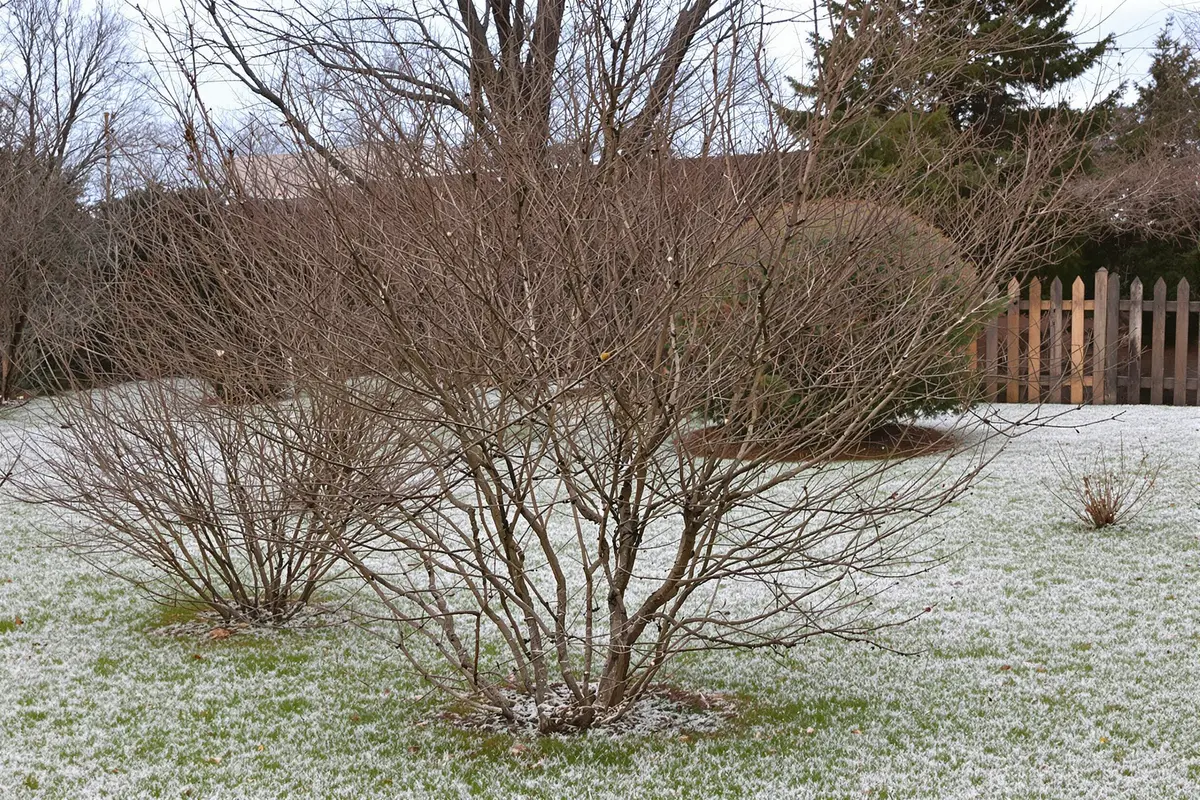
While lilacs may look dormant in winter—bare branches, grey bark, no sign of life—don’t be fooled. Inside those branches are the flower buds already formed the previous summer. If you cut them now, you’re cutting off this year’s blossoms.
How early pruning ruins lilacs’ bloom
Lilacs set their flower buds right after they finish blooming in late spring or early summer. These buds sit on the stems all through fall and winter, waiting for warmer weather.
When you prune in January, you’re not “tidying up”—you’re removing the very buds that would give you flowers. It’s like deleting an email draft just before you hit send.
In one informal gardening test, lilac shrubs were split into two groups:
- Group A: Pruned right after flowering
- Group B: Pruned in January
The difference was dramatic. Group A enjoyed lush, full blooms come spring. Group B? A few sparse flowers—if any at all.
The right time to prune lilacs
To keep your lilac blooming year after year, wait until the last blossoms have faded—usually in late spring or early summer.
Here’s exactly what to do:
- Wait until flower clusters fade and lose color
- Use clean secateurs to trim stems back to just above a strong pair of leaf buds
- Keep shaping gentle—no more than one-third of the plant at a time
Need to rejuvenate an old lilac?
If your lilac is overgrown or producing fewer blooms, there’s a safe way to bring it back.
- Each year, remove 1–2 of the oldest, thickest stems all the way at the base
- Repeat over 2–3 years for a fully refreshed shrub
This method avoids shocking the plant while encouraging fresh growth and better flowering.
Why January feels tempting—but costs you later
January is a time when many of us feel energized to start over. Your garden might look bare and quiet, and pruning feels productive. But spring-flowering shrubs like lilac, forsythia, and mock orange have a different rhythm.
They bloom on old wood—what’s already grown and settled last season. Your well-meaning trim in January might erase all their hard work.
It’s not about doing less, it’s about doing the right thing at the right time.
How to avoid pruning mistakes next year
Instead of relying on habit, make a small visual reminder:
- Spring-flowering shrubs: Prune just after flowering
- Summer bloomers: Prune in late winter or early spring
- Old shrubs: Renew slowly over 2–3 years, never all at once
Stick this list on your shed wall or tape it inside your calendar. Small notes now prevent big disappointments later.
What to do if you already pruned too early
Accidents happen. If you’ve already cut your lilac in January, don’t panic. The plant will survive—just don’t expect much in terms of blooms this spring.
Here’s how to help it recover:
- Water well during dry spells
- Feed lightly in early spring
- Wait until it flowers (even partially), then prune the right way
Helpful tips for blooming success
Got questions? Here are some quick answers to common lilac concerns:
- Can you tell flower buds from leaf buds? Yes—flower buds are rounder and fuller, often clustered at branch tips. Leaf buds are smaller and more pointed.
- Should you prune lilacs every year? Not necessarily. Some only need light trimming after flowering. Heavy pruning is only for reshaping or rejuvenation.
- Can you cut stems for indoor arrangements? Absolutely—grab a few bloom-heavy stems for a vase. Just don’t strip the whole plant.
- Why is your lilac leafy but not blooming? Common causes: wrong pruning time, not enough sun, or old, exhausted stems. Fix pruning first, then sunlight and gradual renewal.
See your garden in a different light this January
Instead of reaching for the pruners, take a walk through your garden. Notice. Reflect.
That bare lilac is not a mess to fix. It’s a promise waiting to unfold. Let it hold its buds safely through the cold.
Spring will come. The scent will return. All you have to do is wait—and listen to what your plants are already planning.