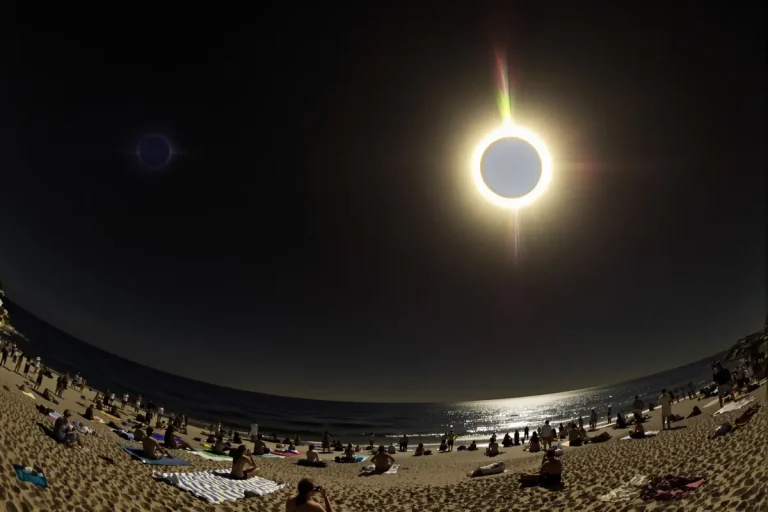
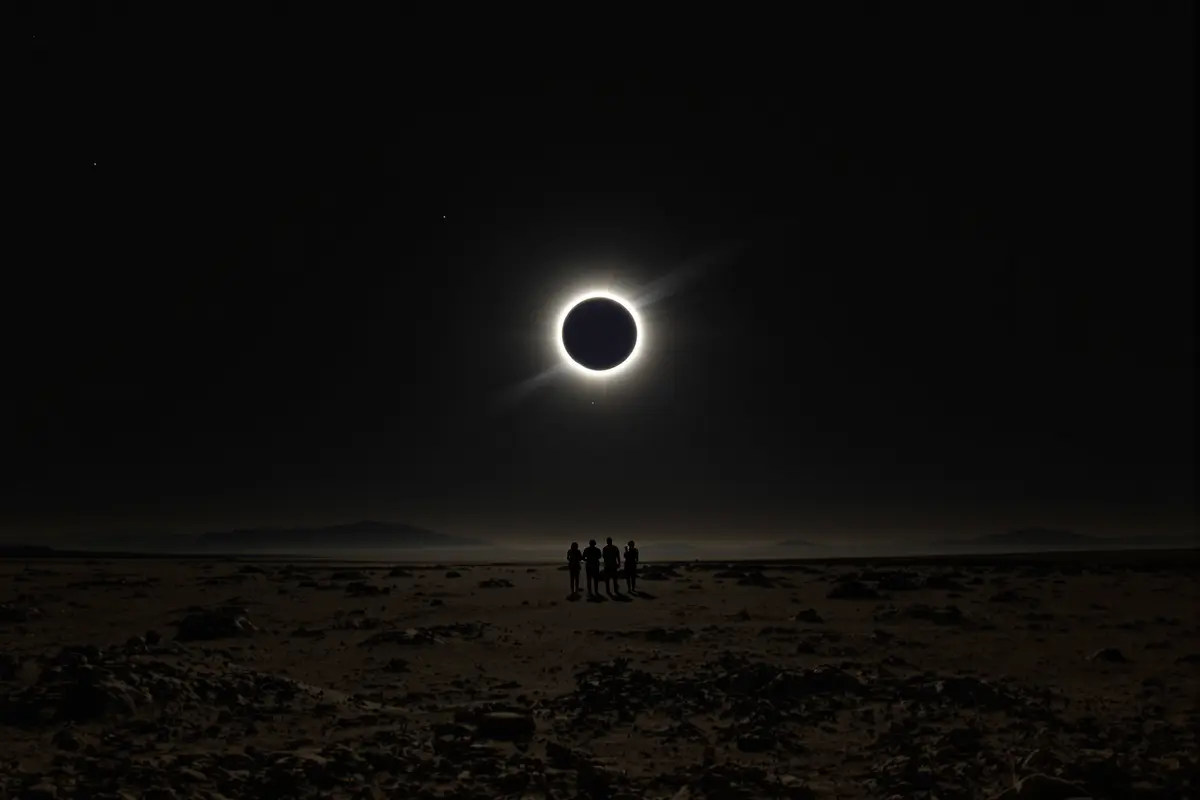
Imagine the middle of the day suddenly turning as dark as a quiet midnight. That’s exactly what will happen during the upcoming total solar eclipse in 2027 — and it’s already grabbing global attention. The sky will go black at noon, and for over six dramatic minutes, the sun will vanish behind the moon’s shadow. But this isn’t just another space event — it’s the longest eclipse of the century, and it’s raising big questions about power, fear, and how we face rare moments beyond our control.
A Date to Remember: August 2, 2027
Mark your calendar: August 2, 2027 is when the skies will deliver a spectacle unlike any in our lifetime. During this rare event, the moon will block the sun for up to six minutes and 23 seconds — the longest total solar eclipse of the 21st century.
The eclipse’s shadow will race across a path stretching from the Atlantic Ocean, through North Africa and the Middle East, and into parts of Asia. For millions living under this path, lunchtime will look more like late night.
Why This Eclipse Stands Out
Most eclipses only last a few minutes. So why is this one so long?
- The Moon will be slightly closer to Earth, appearing a bit larger in the sky.
- The eclipse will happen near the equator, where Earth’s surface spins quickest, stretching the duration of the shadow.
- This rare combination means more time beneath the moon’s shadow — just long enough for stars to appear and hearts to race.
Will It Be Dangerous?
On a physical level, the eclipse itself is not dangerous — as long as you’re prepared. The real risk lies in human reaction and misunderstanding.
- Looking directly at the sun without proper eye protection can cause serious damage.
- Drivers might panic or stop suddenly if they’re not expecting the darkness.
- Animals may react as if night is falling — birds may roost, and pets may act confused.
- Technology could act up, too. Drones might drift, and sensors could misread the dimming light.
But with some simple planning, these risks can be managed easily.
How to Get Ready: A Few Smart Steps
Thinking ahead can turn panic into awe. Here’s how to prepare:
- Buy certified eclipse glasses — skip the cheap lookalikes.
- Find a safe, open place to watch, like a balcony or park.
- Don’t drive during totality — pull over and stay still.
- Talk to kids and older loved ones beforehand so the event doesn’t feel scary.
This eclipse isn’t about gear. It’s about being present, grounded, and aware of the moment unfolding beyond our normal routine.
What Will It Feel Like?
You’ll likely feel the change before you see it. Light will take on a cooler tone. Shadows will sharpen and double. The air might cool just enough to raise goosebumps. Then, in a snap, people around you may gasp or fall silent as the sun disappears completely.
The sky will show off the sun’s white outer glow — the solar corona — and stars will blink into visibility. Streetlights might flicker to life. Even if you know it’s coming, the experience can feel surreal, emotional, or even unsettling.
Debates and Fears: What’s Really at Stake?
This eclipse isn’t just stirring astronomers — it’s sparked fierce debates. Some are warning of power grid issues as solar panels go dark, or confused animals running wild in tourist areas. Others worry about hate speech and conspiracy theories spreading on social media during the blackout.
But most experts agree: the true challenge lies in how society responds. Mixed messages — from government alerts to influencer hot takes — can make people either too cautious or too dismissive. Fear grows when understanding is missing.
FAQs: What You Need to Know
- Is it safe to fly during the eclipse? Yes. Planes rely on instruments, not light. Some routes may shift for better views, but safety isn’t at risk.
- Will solar panels stop working? Briefly, yes. Energy operators plan for this like they do clouds or storms.
- Do animals really behave differently? Often. Birds quiet down. Pets may seem anxious. It’s harmless — and fascinating to observe.
- What’s the most important safety tip? Use certified eye protection — especially during the partial phases. Only during totality — when the sun is completely covered — is it safe to remove your glasses.
What Will You Do When the Light Fades?
Some people will rush to take photos. Others will hold hands in silence. Schools may keep kids indoors. Tourists will burst into cheers. But in that strange, silent moment — when the world pauses and stars pierce midday skies — you might just reflect on your place in it all.
The sky doesn’t ask if you’re ready. But you can be. Just choose your spot, your people, and your mindset. Because when the sky goes black at noon, what you feel may last a lifetime.