
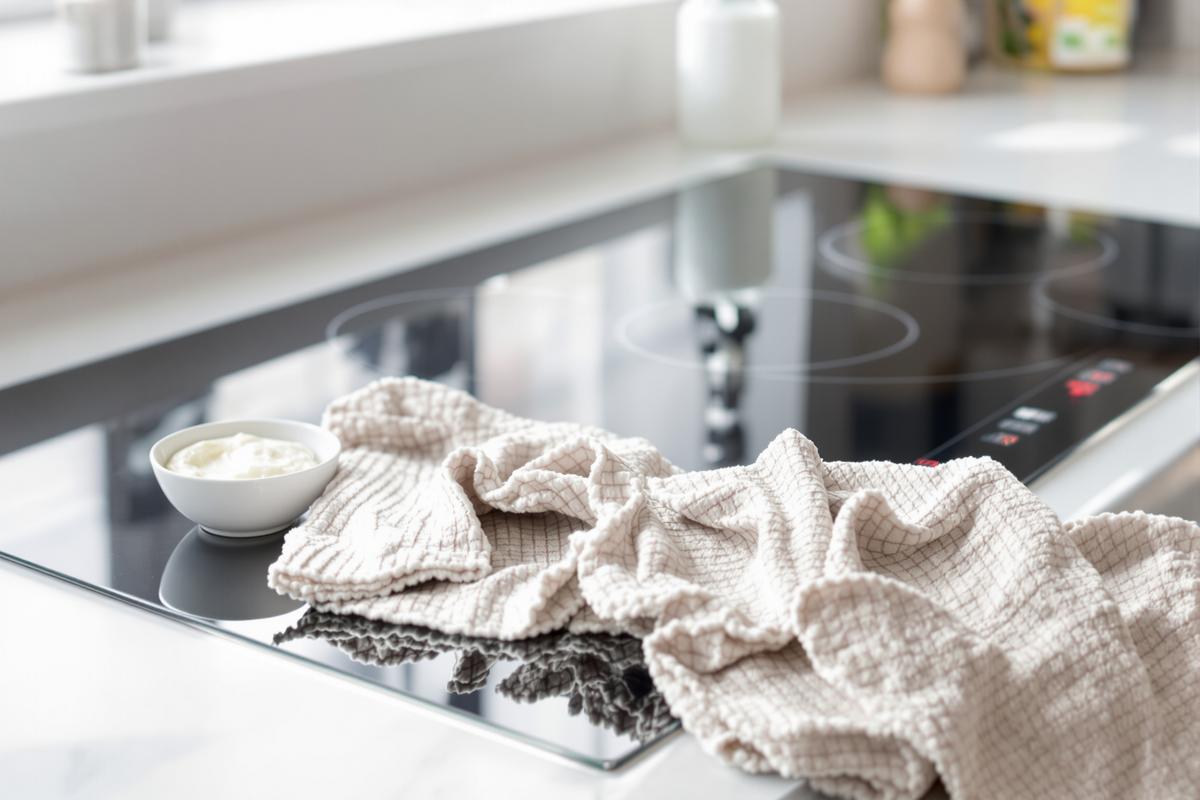
Scratches on your glass cooktop can feel like a punch to the gut. They make your stove look old and dirty—even if it’s sparkling clean. But the good news? You don’t need fancy tools or harsh chemicals to get rid of them. With a few simple steps, you can make those ugly marks fade or even disappear.
Why scratches happen (and how to spot the worst ones)
Glass cooktops are sleek and modern, but they’re not invincible. Everyday cooking accidents can leave behind damage:
- Dragging pots—especially heavy ones, like cast iron
- Coarse cleaning pads that grind against the surface
- Grains of salt or sugar stuck under a pan
You’ll usually notice scratches when light hits the surface at just the right angle. Some are shallow and cosmetic, while others feel rough or even have a tiny groove. If your fingernail catches in the scratch, it’s a deeper one—but don’t worry, even those can be improved!
Step 1: Clean the surface first (it matters more than you think)
Before treating the scratch, you need a clean slate—literally. Otherwise, you might rub grease or bits of food deeper into the cooktop.
What you need:
- A soft microfiber cloth
- Mild dish soap
- Warm water
Wet the cloth with warm, soapy water and gently wipe the entire cooktop. Avoid pressing too hard. Dry it completely with a fresh part of the cloth.
Step 2: Make a simple baking soda paste
You don’t need special cleaners. Baking soda is gentle enough for glass but gritty enough to polish out small scratches.
To make the paste:
- Mix 1 tablespoon of baking soda with 1 teaspoon of water
- Stir until it forms a thick, creamy paste (not too runny)
You’re now ready to work a little magic.
Step 3: Apply the paste and buff
Scoop up some of the paste with a soft cloth or a piece of cotton. Gently rub it into the scratch using small, circular motions. Try to keep your strokes light and even.
Do this for about 2–3 minutes per scratch. If a scratch is long, work on one small section at a time. You’ll feel the paste doing its job without the need for pressure.
Once you’ve buffed for a while, wipe away the paste with a damp cloth and see the results. You might already notice a smoother, shinier surface. If the scratch is still there, you can repeat this step once more.
Step 4: Polish with vinegar for a final shine
Baking soda can leave behind a dusty residue. To finish the job, reach for some vinegar to make your cooktop sparkle.
- Pour a few drops of white vinegar onto a clean microfiber cloth
- Wipe the cooktop in long, smooth strokes
The vinegar helps break down any leftover residue and gives the glass a streak-free shine. Best of all, it also disinfects—so you’re left with a surface that looks as good as new.
Extra tips to protect your cooktop in the future
Now that your glass stove is looking fresh again, here’s how to keep it that way:
- Lift pots and pans—don’t slide them
- Use flat-bottomed cookware to avoid uneven wear
- Clean spills right away, especially sugary ones that harden with heat
- Avoid steel wool or rough scrubbers
And once a week, give it a quick polish with your baking soda paste or vinegar wipe-down. It only takes a few minutes—and it keeps tiny scratches from becoming big ones.
Scratches don’t have to be permanent
You won’t need a repair bill or replacement glass to get your smooth surface back. With just baking soda, water, vinegar, and a little effort, even deep scratches can fade into the background.
Your cooktop deserves to look great every day. And now—you’ve got the easiest way to make that happen, no tools required.