
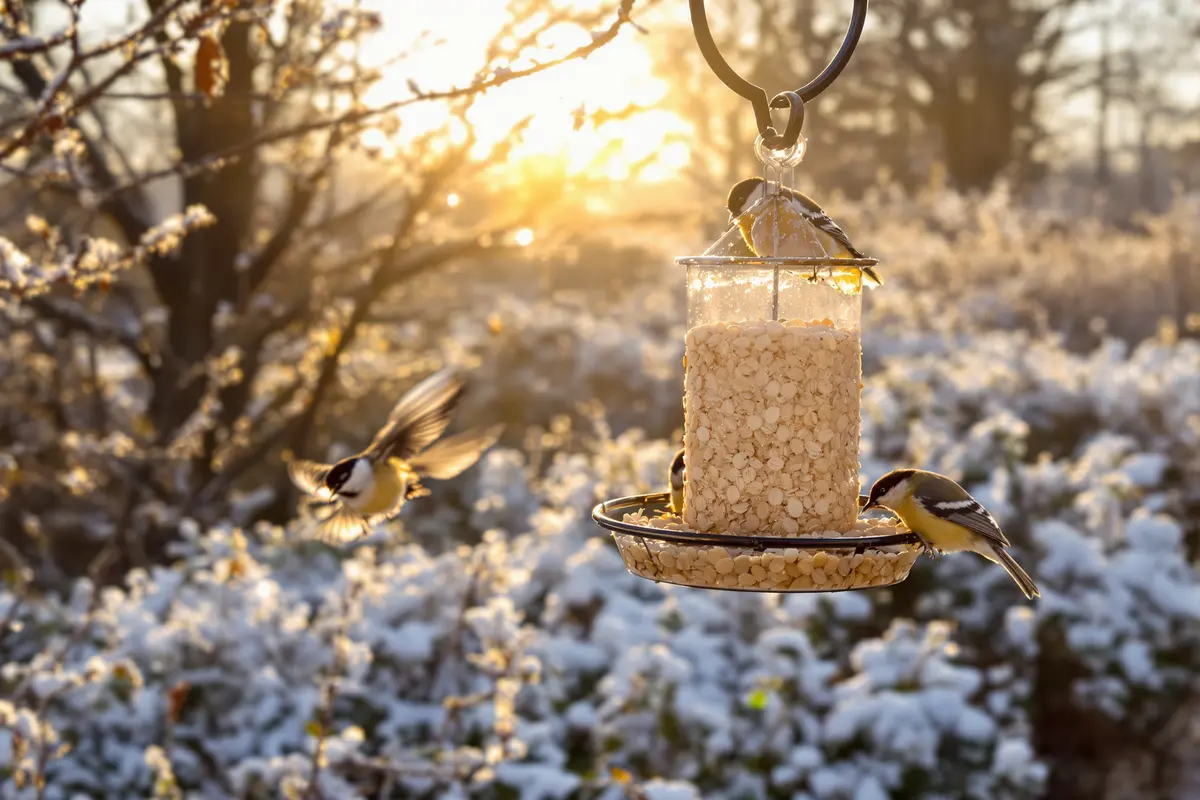
Cold mornings can feel pretty quiet—until a sudden flash of wings brings your backyard to life. Bird lovers have found a simple, cheap way to turn even the quietest yard into a lively bird hotspot. And it all starts with a humble ingredient you probably already have in your kitchen this December.
The winter trick bird fans swear by
When temperatures drop, birds need fuel. Big, dense, energy-packed fuel. That’s why suet, lard, or beef drippings—often leftover from holiday cooking—become a secret weapon for bird lovers.
This isn’t some fancy wildlife blend. It’s just plain, unsalted fat. But in freezing weather, this type of fat is exactly what birds are looking for. It helps them survive long nights and gives them the energy to brave chilly mornings.
The trick doesn’t cost much. In fact, butchers often throw this fat away or sell it dirt cheap. Yet it can turn your feeder into the most popular spot on the block.
Why birds go crazy for suet in December
Birds lose a lot of energy overnight, especially tiny ones like chickadees and nuthatches. Without a solid breakfast, they struggle to stay warm.
High-fat foods like suet deliver the calories they need, fast. Just one suet block can keep a group of birds coming back for more—every single morning. And once they learn there’s food waiting, they remember it.
This is more than feeding. It’s training. Birds start showing up on a schedule, like early commuters. You get to know their habits, and they learn that your feeder means fuel—and safety.
Making your own suet feeder treat
Want to try it for yourself? You don’t need special equipment. Just follow this easy mix-and-mold method:
- Melt unsalted fat (like suet, lard, or beef tallow) in a pan.
- Stir in bird-safe extras: oats, sunflower seeds, crushed peanuts (plain), and basic birdseed.
- Pour the mix into a mold—a muffin tin, food container, or even cookie cutters on a tray.
- Let it cool and harden (outside, or in the fridge).
- Once firm, hang it in a suet cage or mesh bag, or place it in a wooden holder.
Important: Use only unsalted and unseasoned fat. No spices, onions, or garlic. And skip the bacon grease—it’s usually too salty.
The secret is in the timing
The real magic happens when you put the suet out at the same time every morning. Birds notice patterns. If they find food two or three days in a row, they’ll mark your yard as a go-to fuel stop.
Some may not show up right away. Birds can be cautious, especially during colder months when energy is precious. But if the block stays up and visible, they’ll come around.
Things to watch out for
To keep your feeder both bird-friendly and problem-free, keep these guardrails in mind:
- Only use clean, unsalted fat—never seasoned or cooked scraps from meals.
- Store suet in the cold or shade to avoid spoiling. In warmer spells, switch to smaller portions.
- Hang suet near trees or bushes, but not too close to places where cats can stalk.
- Clean your feeders regularly to prevent mold or disease.
How fast does this work?
Some backyard birders see results within a day. For others, it might take a week. Every yard is different. Just keep the suet out—and be patient.
One Ohio woman mixed up her first suet block using beef fat, oats, and birdseed. By the next morning, nuthatches had found it. A week later, her feeder had become a morning hangout for all kinds of species—from woodpeckers to cardinals. And all from one basic experiment in her kitchen.
More than just a feeding trick—it’s a ritual
This simple habit can become something more. Going out to refill the feeder becomes a calming morning routine. And that moment—a cardinal in fresh snow, a chickadee tapping the hook—can shift how your day begins.
What starts as a fun trick to attract birds becomes a small December tradition. One that connects your noisy kitchen with the quiet, living world outside.
Why you’ll probably want to keep doing it
Bird lovers often say they started with one block of suet. Then came more birds. Then came more joy. Some people stick to butcher fat. Others get creative and mix their own blends.
But the idea stays simple: offer high-energy food in cold weather, consistently. The birds learn. They come often. And every day feels just a little brighter.
Quick FAQs
What’s the best fat to use?
Plain suet, lard, or beef tallow—unsalted, unseasoned, no gravy or spices. Skip bacon grease, it’s usually too salty for birds.
Will suet spoil in warmer weather?
Yes. Use smaller blocks, keep them in the shade, and toss anything that smells bad or looks slimy.
Can I use leftovers from cooking?
Avoid seasoned scraps, sauces, bread or stuffing. Stick to clean fat trimmings and bird-safe ingredients only.
How long until birds discover it?
It varies. Some see birds in a day, others after a week or more. Leave it out, stay consistent, and give them time.
Is December really the best time?
Yes. Even a few weeks of suet in winter can help birds survive. If you enjoy it, you can keep going through the season.
If your yard feels a little too quiet this winter, try this: melt some fat, mix a suet cake, and wake up to wings at the window. It costs less than a cup of coffee—and might just change your whole morning rhythm.