Walking’s great, sure. But if you’re over 70, there might be something even better for your body, brain, and long-term independence. Recent studies are shifting the spotlight to a new kind of movement—one that could help you stay stronger, steadier, and sharper as the years roll on.
The best part? You can start today, even if your joints nag and your balance isn’t what it used to be.
Why walking alone may not be enough
Walking boosts heart health, burns calories, and keeps you moving. But as we age, we face different challenges—like muscle loss, balance issues, and weak bones. Walking doesn’t fully tackle those.
Past 70, we lose about 3–5% of our muscle mass each decade. Without muscle, everyday activities—climbing stairs, getting up from a chair, even standing—can become surprisingly hard.
Science now suggests walking may be too mild to stop this decline. To really protect your mobility and healthspan, you need more than steps. You need strength.
The power of resistance training
Enter resistance training—the secret weapon for healthy aging. It’s more than just bodybuilders lifting heavy. For older adults, it’s about staying capable, confident, and independent.
According to a 2022 study in the British Journal of Sports Medicine, combining strength exercises with aerobic activity (like walking) leads to better physical function and longer healthspan than either alone.
In other words, resistance training doesn’t just add years to your life—it adds life to your years.
Big benefits—and fast
You might be surprised how quickly resistance training helps, even if you’ve never tried it before. Some benefits to expect:
- More muscle and strength: Regular sessions rebuild what age takes away
- Better balance and fewer falls: Stronger legs and core mean more stability
- Sharper thinking: Lifting weights has been linked to better memory and brain health
- Denser bones: Especially important for women after menopause
- Improved mood: Strength training lowers anxiety and lifts confidence
Feeling stronger isn’t just physical—it changes how you live your life.
How to start—gently but effectively
Not sure where to begin? You don’t need a gym. You don’t need big weights. You don’t even need to leave your house.
Start with basic moves that target major muscle groups. Try doing two resistance sessions per week. Even short sessions—15 to 30 minutes—can make a big difference.
Here’s a simple routine to get you going:
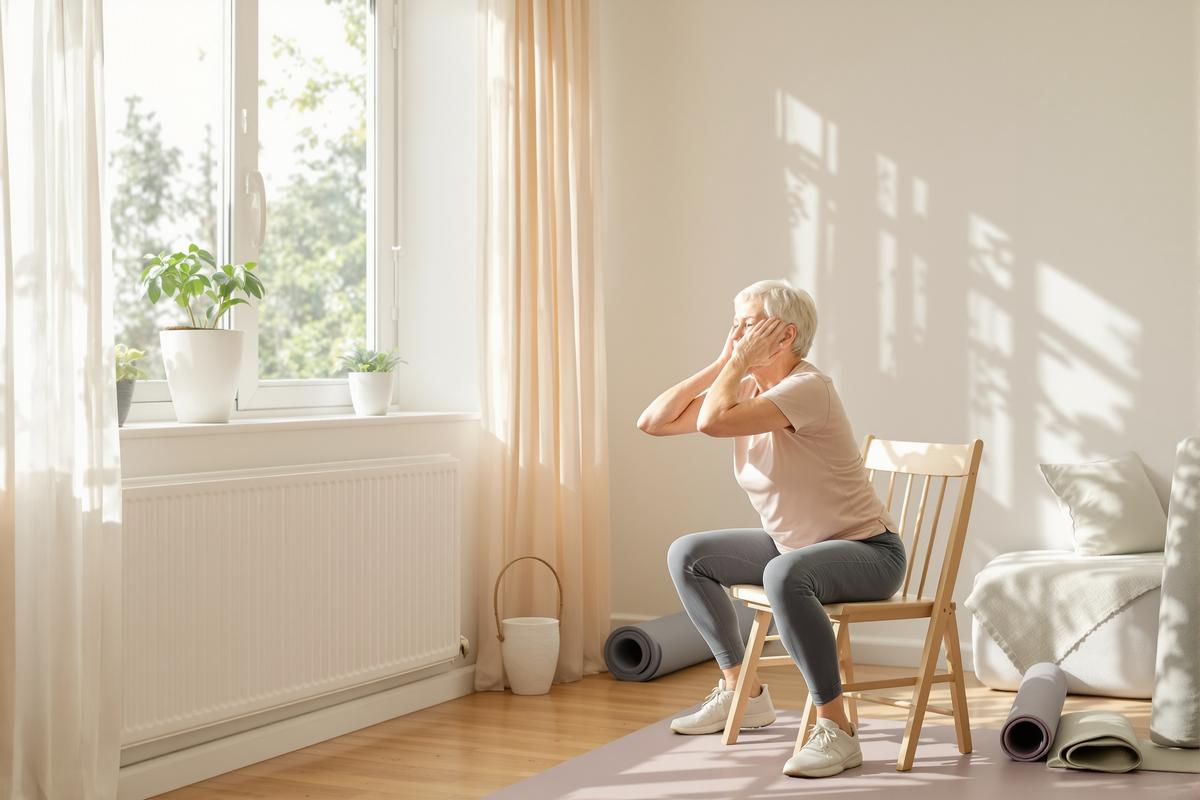
- Chair squats (10–15 reps): Sit down and stand up slowly, using a sturdy chair for support
- Wall push-ups (8–12 reps): Stand an arm’s length from a wall, lean in, and push back
- Seated leg lifts (10 reps per leg): Raise one leg at a time while sitting tall in a chair
- Bicep curls (10 reps): Use light dumbbells or soup cans
- Standing calf raises (12 reps): Hold onto a counter and lift your heels up off the ground
Rest a minute between sets. Breathe deeply. Focus on form, not speed. And listen to your body.
Worried about safety?
It’s smart to check with a doctor or physical therapist before starting, especially if you have joint pain or past injuries. But most older adults can safely do resistance training, even with conditions like arthritis or osteoporosis.
In fact, it’s one of the best ways to protect your joints and reduce bone loss—when done with good technique.
Boost your confidence, not just your muscles
If exercise has felt intimidating or confusing, you’re not alone. But resistance training doesn’t have to mean complex equipment or painful effort. It means consistency, intention, and just a little push beyond what feels easy.
Over time, you’ll notice more spring in your step, steadier footing, and stronger arms to carry grandkids or groceries. Or both.
One last tip: don’t ditch your walks
Walking is still great for mental health, circulation, and spending time outdoors. But think of it as your baseline. If you want real protection against aging, pair walking with two strength sessions a week. That’s the science-backed formula.
So if you’re past 70—or even past 80—it’s not too late to start. In fact, now’s the perfect time. Small steps. Major gains. Lifelong rewards.