Something strange is happening high above the Arctic—and it could flip your winter upside down. This January, experts are tracking a rare and powerful disruption in the polar vortex, something so intense it’s sparking words like “unprecedented” and “extraordinary.” If you live anywhere in North America, Europe, or parts of Asia, you might want to pay close attention to the skies—because what’s unfolding above the clouds could be heading straight for your doorstep.
What is the Polar Vortex—and Why Should You Care?
The polar vortex is a giant ring of freezing winds that circles the Arctic high in the atmosphere. Normally, it acts like a fence, trapping the cold up north. But sometimes, that fence breaks.
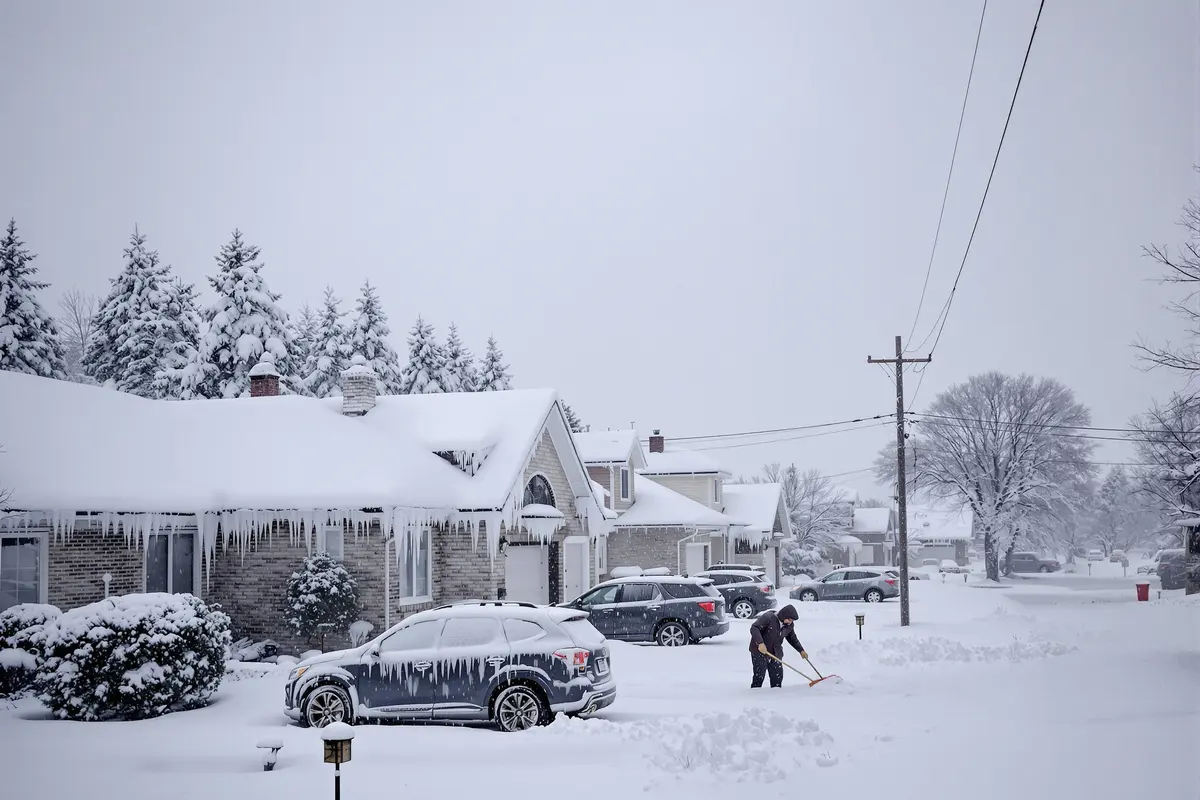
When it does, icy Arctic air can slip south. This isn’t just a random cold breeze—it can mean power outages, frozen pipes, and snowstorms that push local services past their limits.
These disruptions are called sudden stratospheric warmings (SSWs). During an SSW, temperatures high in the stratosphere (about 30 kilometers up) can soar by 40 to 50°C in just a few days. That’s not heat you feel on your skin—but the changes up there reshape weather patterns down here.
What’s Different About This January?
January is typically the most stable time for the polar vortex. It’s locked in, spinning strong, and hard to shake. But this year, that pattern is starting to crumble.
According to meteorologists, the polar vortex is showing signs of a major mid-winter breakdown—something rarely seen in the satellite era. Wind patterns are reversing. Pressure levels are rising. In short, the system is misfiring at the peak of its season.
Experts say this event is tracking close to historical extremes—think the brutally cold winters of 2009, 2013, and 2021. One senior scientist even said this year’s data “sticks out like a lighthouse.”
How This Could Impact Your Winter
So… what does all this mean for your daily life?
It’s not a forecast for doom—but it is a sign to stay alert. Here’s what tends to happen after a vortex breakdown:
- Cold surges break out from the Arctic, diving into parts of North America, Europe, or Asia.
- Weather becomes chaotic: Snow in places that rarely see it, milder days in regions that should be freezing.
- Infrastructure gets strained: frozen pipes, road closures, school shutdowns, and energy spikes.
It’s like shaking a snow globe. Once the air moves, it doesn’t settle quickly. The aftereffects of a strong event like this can last two to six weeks.
Where Could It Hit the Hardest?
No one can say exactly who’s in the bullseye. Weather models suggest higher odds of cold spells for the eastern U.S., parts of northern Europe, and East Asia.
That doesn’t mean every city will freeze, but the dice are being loaded for more wild swings—mild one week, arctic the next.
Remember Texas in 2021? A sudden vortex misfire there left millions without heat or water. And in 2018, Europe’s “Beast from the East” followed a similar atmospheric shake-up.
Preparing for Polar Vortex Chaos: Simple Steps That Work
Panic isn’t helpful—but being ready is. Here’s how to stay ahead:
- Check your insulation—plug up that draft under your front door.
- Know where your water shutoff is in case a pipe bursts.
- Set alerts from your local weather agency or a trusted meteorologist.
- Build a small “48-hour kit”: flashlight, water, snacks, meds, charger.
- Ask your school or job about remote options in case severe cold closes roads.
- Reach out to a neighbor—especially someone older or living alone.
Preparation isn’t about fear—it’s about ease. A couple of small actions now can save a lot of stress later.
Is This About Climate Change?
This is still debated. Some studies suggest that Arctic warming, lower sea ice, and shifting snow patterns increase the chance of vortex disruptions. Others say it’s not that simple.
What scientists mostly agree on is this: weather extremes are becoming more common. This event may not be solely driven by climate change—but it’s happening in a climate that’s no longer stable and predictable.
Final Thoughts: A Sky Worth Watching
You might not read graphs about stratospheric wind, but you’ll feel its mood swings—in heating bills, frozen sidewalks, and cancelled plans.
Right now, the Arctic atmosphere is acting up in ways that scientists once thought were rare. The polar vortex isn’t just a buzzword anymore—it’s a real force shaping your winter.
So take a moment. Patch that window leak. Plan a quick check-in routine with your family. And maybe share the next weird weather map with a friend—not just to worry together, but to stay a step ahead.