A mysterious discovery along a quiet marina has triggered urgent action and a wave of concern. The culprit? A small, spiky creature that doesn’t belong in salty waters but might just be settling in anyway. Its presence is more than unusual — it’s a warning sign scientists aren’t ignoring.
The zebra mussel shock: a freshwater invader in saltwater territory
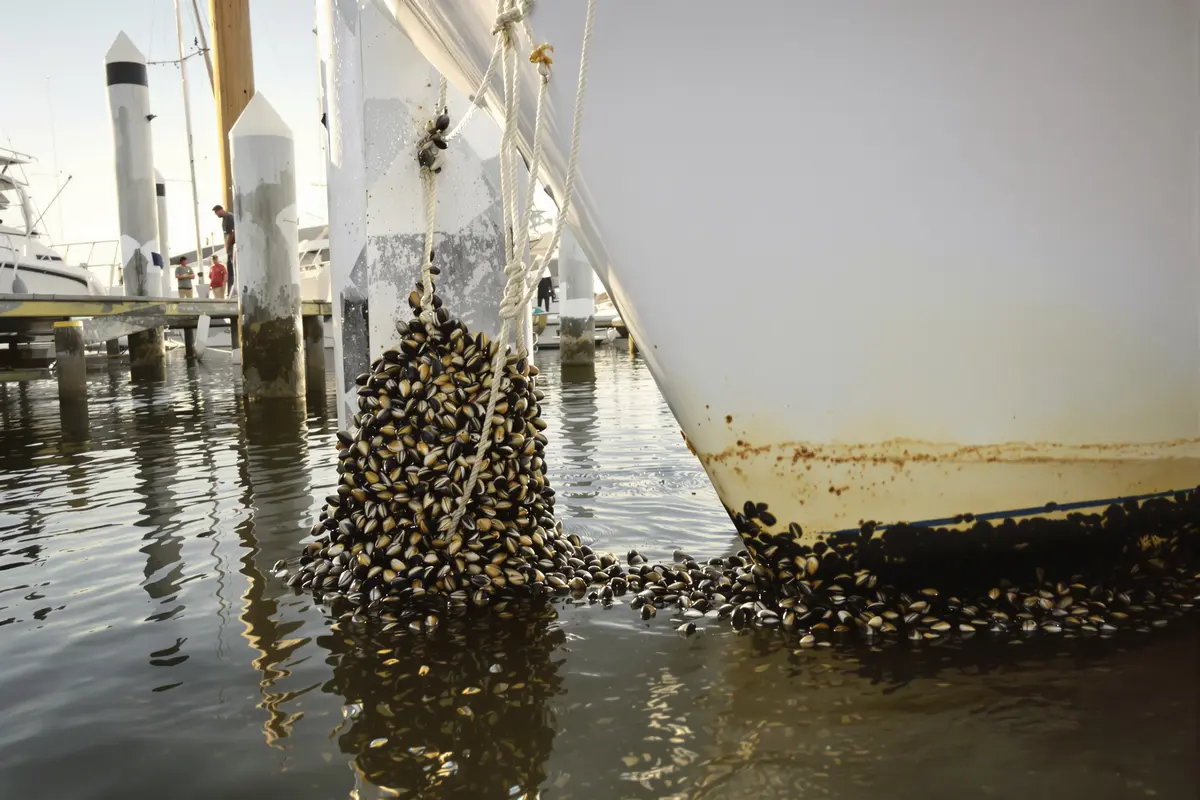
It all started one morning when a harbor worker spotted what looked like rough, striped armor stuck to the hull of a boat. Up close, it was a colony of zebra mussels — a freshwater invasive species that thrives in lakes and rivers, not coastal marinas.
Local officials arrived fast. What they found left them concerned: the mussels were already spreading. These aren’t harmless hitchhikers. Zebra mussels are known for:
- Clogging pipes and water systems
- Outcompeting native marine life
- Damaging boats, docks and infrastructure
The twist? This marina is in brackish water — part salt, part fresh — where zebra mussels usually can’t survive. Yet here they were, thriving.
What makes this sighting so alarming
Normally, zebra mussels don’t last long in salty water. But extra-warm weather and low rain have made this area less salty than usual, creating just the kind of environment these mussels can stretch into. That’s why experts call this a first-of-its-kind sighting.
And if they survive here, they could spread to similar coastlines — and fast.
Each adult zebra mussel can release hundreds of thousands of larvae, known as veligers. These microscopic hitchhikers float with the currents until they settle and harden on almost any surface — rocks, ropes, boats, even other mussels. And they’re invisible to the naked eye until it’s too late.
Why this matters even if you don’t own a boat
You don’t have to be a sailor or a scientist to be affected by this. Zebra mussels impact everyone who lives near or enjoys coastal waters. Here’s how:
- They cut swimmers’ feet on sharp shells left on rocks, ladders and docks
- They raise water bills by clogging municipal systems
- They damage fisheries by choking out native species
- They turn peaceful marinas into costly cleanup zones
That’s why officials are asking for your help now — before the problem grows bigger.
The simple steps that really make a difference
Authorities launched a clear message:
“If it touches the water, clean it like you mean it.”
That means following the Clean, Drain, Dry method every time you use the water:
- Clean: Rinse all gear (boats, kayaks, fishing tools, etc.) with high-pressure water — away from storm drains or natural waterways
- Drain: Empty bilges, wells, and any areas where water collects
- Dry: Let everything air out for at least 48 hours before using it somewhere else
Even small items like paddles, dog toys, or coolers should be cleaned if they go in the water. And remember: never move bait buckets, plants or firewood from one water source to another.
Reporting is as vital as cleaning
Spotting these mussels early is key. They’re small — about the size of a fingernail — with dark and light stripes. They often cluster together on:
- Boat hulls and rudders
- Rocks and ropes
- Docks, ladders or gear
If you see them, don’t shrug it off. Here’s what to do:
- Take a clear photo
- Note the location (especially if it’s salt or brackish water)
- Report it to your local harbor authority or environmental agency right away
These public reports help scientists track the spread and decide where to focus containment efforts. Many towns have even set up hotlines and online forms for this.
Protecting your local waters starts with habit
Locals are already adjusting. From quick hull checks to scrub stations at docks, a new rhythm is taking shape. It’s not about paranoia — it’s about protection.
Try these tips to stay on track:
- Tie cleaning to a habit — like after locking your trailer or packing your cooler
- Keep a small kit: gloves, a brush and a nozzle can save hours later
- Talk to kids and guests — teaching them cleaning isn’t optional, it’s routine
The officials’ bottom line? A few minutes now can save your community years of damage.
It’s not just a “weird creature” anymore
That strange, spiky shape on the piling was more than a curiosity. It could change life by the water — not all at once, but little by little.
Nobody thought a tiny mussel could shake up an entire coast. But it already has. And now, with every clean paddleboard and rinsed anchor, coastal families are sending a quiet message back:
We’re paying attention. We’re choosing to care.
What kind of shoreline do you want to pass on? It might come down to that extra rinse you almost skipped, and the warning you decided not to ignore.