When winter hits, most of us rush to pack our vegetables straight into the fridge—thinking cold means fresh. But here’s the surprising truth: keeping certain veggies in the fridge during winter doesn’t preserve them. It actually makes them rot faster.
Why winter changes how vegetables behave in the fridge
Fridges are colder and drier than many people realize—especially in winter, when outside temperatures drop and your home might already have naturally cool spots. That deep chill that protects milk or leftovers can slowly destroy fresh vegetables not built for it.
Vegetables are still alive after harvest. They keep breathing and changing. When you put them in the fridge, some start breaking down faster because the environment isn’t right for them.
Vegetables that spoil faster in your fridge
If you’ve ever reached into your fridge only to find sad, slimy vegetables, it could be because they never belonged there to begin with. In winter, these are the veggies that do worse in the fridge:
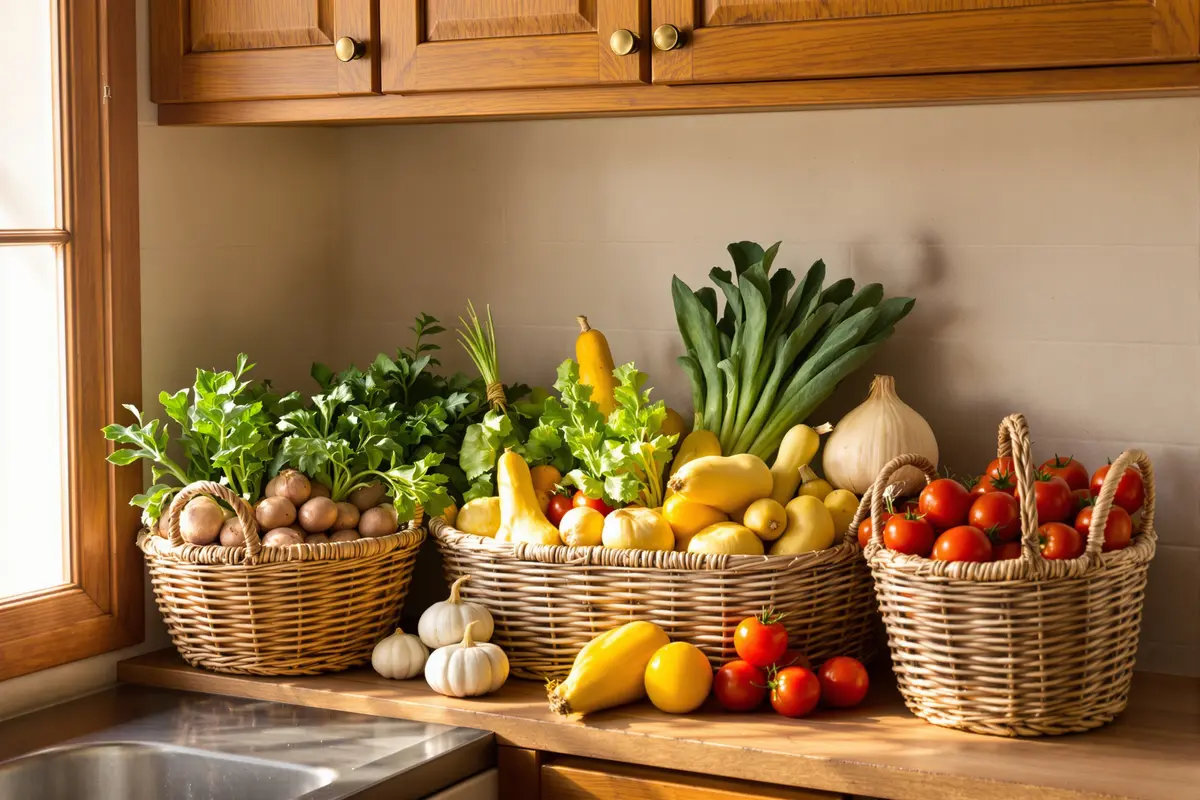
- Potatoes: turn sweet and sprout quickly below 7–8°C
- Onions and garlic: mold or sprout too early in humid, cold settings
- Winter squash and pumpkins: get soft spots and moldy scars
- Tomatoes: become mealy and lose flavor under 10°C
- Cucumbers, courgettes, and aubergines: dislike cold and become rubbery
Better places to store them: your home’s hidden cold zones
Instead of the fridge, try these spots around your house in winter:
- Unheated hallway
- Pantry against an outside wall
- Ventilated cupboard
- Garage or a corner near a window (as long as it doesn’t freeze)
These places often hold steady between 5°C and 12°C. That range is perfect for many starchy root vegetables and hardy fruits. Basically, your home can act like a natural cold cellar during winter.
How to build a foolproof vegetable storage routine
Want to stop wasting food? Here’s a quick 3-step storage trick that works even when you’re tired or busy:
1. Sort your veggies into three categories
- Fridge-lovers: spinach, lettuce, fresh herbs, mushrooms, cut veg
- Fridge-haters: potatoes, onions, garlic, squash, tomatoes
- In-betweens: carrots, beets, leeks, whole cabbages
2. Assign them a “home”
Use:
- Fridge crisper drawers for delicate greens in breathable containers
- Cool room boxes or baskets for robust vegetables like potatoes and squash
- A cool pantry or cupboard for carrots and beets to keep them from drying
3. Create visual cues
Stick a simple note on the fridge door: “Don’t chill: potatoes, onions, garlic, squash, tomatoes”. Keep a labeled box under the counter for winter storage. Little reminders like this turn smart storage into second nature.
Real-life proof this method works
In Paris, one couple tried a simple experiment. They stored half of their weekly vegetables in the fridge and half near a cold balcony door at 9°C. Three weeks later:
- Balcony potatoes: still firm, no sprouts
- Fridge potatoes: sweet, wrinkled, with long pale shoots
- Outdoor tomatoes: kept their color and flavor
- Fridge tomatoes: mushy and mealy within days
The only thing they changed? Where they put the veg. And their food waste dropped fast. That’s the hidden power of understanding your home’s winter temperature zones.
Storage made simple with a few quick rules
No need for fancy charts. Just remember these 3 shortcuts:
- Starchy roots (like potatoes) prefer dark, dry spots—not the fridge
- Dry bulbs (onions, garlic) need air, not humidity
- Warm-weather fruits (tomatoes, aubergines) keep better in a cool room than in a cold fridge
Why it matters: saving flavor, money—and stress
We’ve all faced the guilt of tossing soggy carrots or molding squash. It feels like wasted time, money, and effort. But changing just one habit—where you put your vegetables—can flip the script.
Instead of seeing the fridge as a catch-all, think of it as one part of a smarter system. You’re not aiming for perfection, just progress. It’s a quiet way to protect the food you already paid for and planned to enjoy.
In winter, let your home help. Those cool corners aren’t just chilly—they’re exactly what your vegetables are waiting for.