
It’s a common winter tradition: start your car in the cold, let it idle while you stay warm inside. But according to mechanics, this everyday habit is quietly wearing down your engine. What feels comforting might be causing long-term damage that’s easy to miss—until it’s too late.
Why idling your car on cold mornings does more harm than good
On freezing mornings, engine oil thickens. Instead of flowing smoothly through the engine, it sticks like syrup. When you idle your engine for several minutes before driving, it runs with less lubrication during the most vulnerable part of its day.
In this cold state, your car’s computer switches to what’s called “open loop” mode. It adds extra fuel to prevent stalling. But that rich fuel mix washes down cylinder walls and wears away the protective oil film. Carbon deposits build up. Internal parts grind more than glide. The damage adds up—especially if you repeat this process each winter morning for weeks.
It might not break your engine overnight. But slowly, your car will start using more oil, burning more fuel, and losing power. One Michigan mechanic even points to idling cars each winter and predicts which ones he’ll be fixing by spring. He’s not guessing—he’s seen it all before.
The better way to warm up your engine
Most modern mechanics agree: the safest warm-up strategy is simple. Start your car, let it idle for 30 to 60 seconds—just enough for the idle to level out—and then start driving gently.
- Idle for no more than 1 minute after starting.
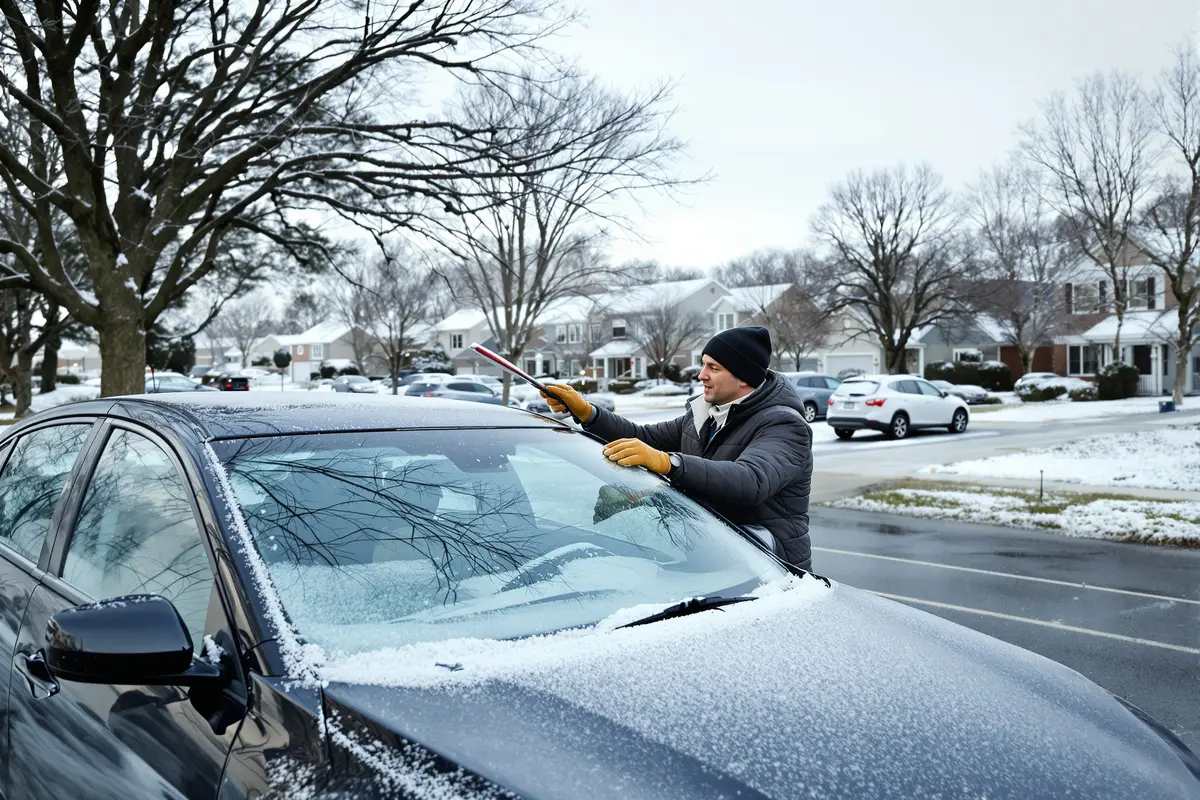
- Scrape your windows manually—don’t rely on a long idle to melt the ice.
- Drive calmly at low RPMs for the first 5–10 minutes.
- Avoid hard acceleration or high speeds during this time.
- Use winter-grade oil as recommended in your owner’s manual.
This short routine helps oil reach vital parts faster. The fuel mixture returns to normal more quickly, and the engine reaches its ideal temperature sooner. That’s when it runs best—and lasts longer.
Why long idling feels right (but isn’t)
Let’s be honest: no one loves freezing mornings. It’s tempting to press that remote start button and wait for the car to “get cozy” on its own. But that comfort comes with a cost. You’re using more gas, creating more pollution, and quietly shortening your engine’s lifespan—one idle morning at a time.
And here’s the twist: driving slowly actually warms your cabin faster anyway. So instead of waiting 10 minutes inside while the heater crawls to life, you could be halfway to work with a toasty interior and an engine that’s already happier.
What you gain by changing your cold start habit
Switching from long idles to active warm-ups may feel small, but the benefits add up:
- Lower fuel usage—because you’re not burning gas without moving.
- Less wear and tear—especially in key engine parts you can’t see.
- Smoother performance—many drivers notice their vehicle runs better all winter.
- Fewer costly repairs—engines that warm up the right way tend to last longer and stay consistent.
This habit doesn’t require any tools or high-cost upgrades. Just a shift in mindset. Think of those first ten minutes like an athlete’s warm-up. Don’t push hard, don’t stand still—ease into motion and let the engine catch up.
Cold morning car starts: FAQs
Should I ever let my car idle to warm up?
A quick 30–60 seconds is fine, especially in bitter cold. But avoid idling for 10–20 minutes, which does more harm than good.
Is remote start bad for my car?
Not if used wisely. Limit idle time by heading out soon after starting the engine. Don’t leave it running too long just for comfort.
What if I drive a newer, fuel-injected car?
Even modern engines still suffer from thick oil and rich fuel on cold starts. Gentle driving is still better than extended idling.
What about hybrids or EVs?
Electric vehicles (EVs) aren’t harmed by idling, since they don’t have an engine in the same way. But hybrids still use combustion engines and benefit from gentle starts in cold weather.
Can I still help my engine even if I’ve idled for years?
Yes. It’s never too late. Starting today, a better routine can reduce future damage and help your car stay strong.
Final takeaway: make those first minutes count
Cars today are advanced, but they’re not invincible. Treating idling as a comfort shortcut may be costing you performance, money, and engine health in the long run. The good news? Changing this habit is easy, free, and more effective than you might think.
Those first 60 seconds and the slow drive that follows are a crucial moment in your car’s daily life. Make the most of them, and your engine will thank you for years to come.