Knee pain can sneak up on you. Maybe it’s after a long walk, a tough workout, or even just climbing stairs. You stretch, you rest, you try low-impact workouts like swimming or Pilates. Still, the ache lingers. If you’ve tried everything and nothing seems to help, there’s something simple and surprisingly effective you may not have considered—strength training.
Why Knee Pain Is a Common Problem
Knees carry so much of our body’s stress. Whether you’re active or sit most of the day, your knees work overtime. Overuse, aging, injury, or even weak muscles can make this joint vulnerable to pain.
And when it hurts, you naturally want to avoid making it worse. That leads many people to gentle activities like swimming or Pilates. But here’s the secret: what your knees often need is not less movement—but targeted movement that makes them stronger.
The Science Behind Strength Training and Knee Pain
It might sound counterintuitive to fight pain with more effort. But studies have shown that strengthening the muscles around your knee reduces strain on the joint itself. Think of it like this: stronger muscles take the load off your knee cartilage, tendons, and bones.
When you work on your quads, hamstrings, glutes, and calves, you’re not just building muscle—you’re building a support system for your knees. This reduces inflammation, improves stability, and can even enhance your balance.
Best Strength Training Exercises for Knee Relief
No heavy weights needed. You can see results with just your body weight and a few minutes a day. Here are the top moves to try:
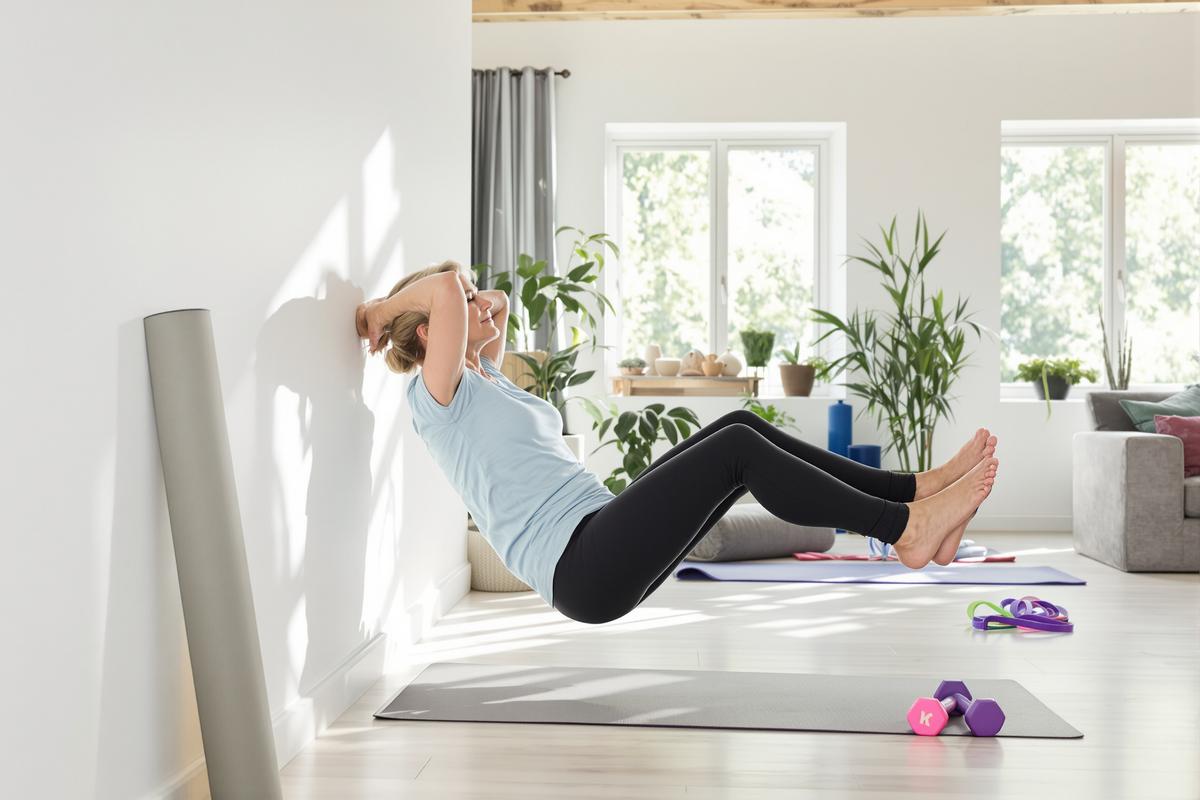
- Wall Sits: Stand with your back against a wall, then slide down until your knees are at a 90-degree angle. Hold for 20–30 seconds. Do 3 sets.
- Step-Ups: Use a low step or sturdy box. Step up with one foot, then the other. Step down in reverse. Do 10 reps per leg, 3 sets.
- Glute Bridges: Lie on your back with knees bent. Lift your hips off the ground, squeeze your glutes, hold for 2 seconds, then lower. Repeat for 15 reps, 3 sets.
- Resistance Band Walks: Place a resistance band around your thighs. Step side to side slowly. Great for building lateral support. Do for 30 seconds, 3 rounds.
- Straight-Leg Raises: Lie on your back, one leg bent, the other straight. Raise the straight leg about 12 inches, hold for 2 seconds, then lower. Do 15 reps per leg, 3 sets.
What Makes It Better Than Swimming or Pilates?
Swimming and Pilates both help with flexibility and cardio health. But they don’t always build muscle fast. And when it comes to knee pain, speed matters.
Strength training provides:
- Faster relief – Strong muscles ease joint pressure more quickly.
- Better posture – It helps skip bad habits that strain knees.
- Lasting results – Muscle gain supports joints long-term.
Plus, strength routines can be done at home, for free, anytime. That flexibility makes it easier to stay consistent—one of the most important factors in healing joint pain.
How to Get Started Safely
If you’re new to strength training or already dealing with pain, start slow. Focus on bodyweight movements and always check your form. Here’s a quick starter plan:
- 2–3 days a week of lower-body exercises
- Warm up with light walking or stationary biking for 5 minutes
- Stretch afterward to maintain flexibility
If pain increases or sharpens, stop. A little muscle soreness is normal, but joint pain isn’t.
When to See a Doctor or Physical Therapist
Not all pain can be fixed with exercise. Sometimes, a professional’s help is necessary. Go see a specialist if:
- Your knee swells up often
- You feel clicking, locking, or instability
- The pain doesn’t improve after a few weeks of strength training
A physical therapist can also help build a custom plan just for you. They’ll make sure your movement supports healing—not harm.
The Bottom Line
If knee pain has followed you longer than it should, it might be time to try something new. Forget endless swimming sessions or gentle stretching routines. Real relief could come from making your legs stronger, one rep at a time.
Start with a few simple exercises. See how your body responds. And remember—sometimes the best way to ease pain is to meet effort with more strength.