
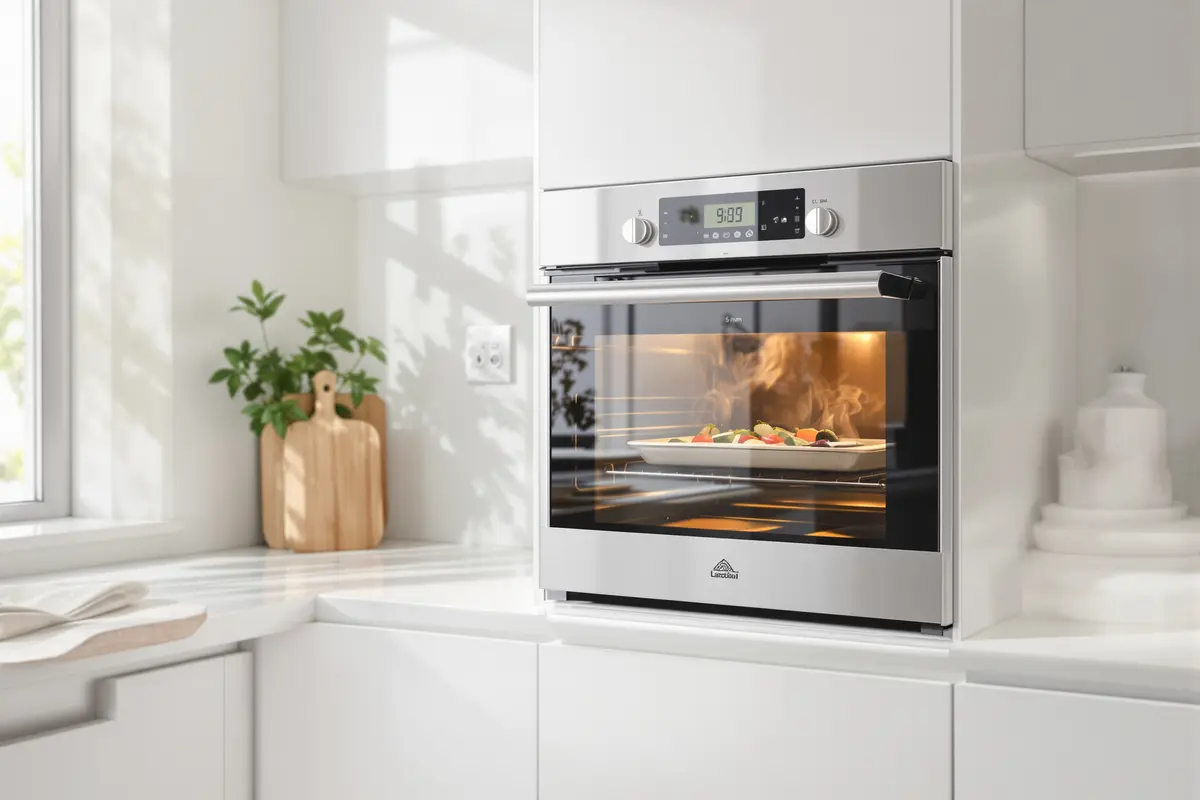
It might look like a toaster oven, but this small, glowing box on your countertop could quietly reinvent how you cook at home. With the push of a button, it crisps cold pizza, roasts veggies, and reheats leftovers without the rubbery edges or frozen centers we’ve come to expect from microwaves. The smart countertop oven might finally be ready to take over—and once it does, you might not look back.
Meet the device that wants to replace your microwave
They’re called smart ovens, and they’re popping up in more and more kitchens. These aren’t just smaller versions of your wall oven. They’re packed with technology like thermal sensors, cameras, and intelligent software that adjusts the heat, timing, fan speed, and direction—all customized to your meal.
Instead of blindly blasting your food like a microwave, these ovens gently cook using convection heat, infrared technology, and sometimes even light. You can select presets like “leftover pizza” or “roast vegetables,” and the oven will do the rest—no rotating trays or soggy disappointment.
Why smart ovens feel different (and better)
Most people notice one big change right away: no more cold-in-the-middle meals. Smart ovens heat food from all sides using powerful fans and heating elements, giving your lasagna or stir-fry that crunchy top and evenly warm center. Here are some key reasons users are making the switch:
- Crispy crusts, not mushy messes—especially for pizza, casseroles, and potatoes
- Faster roast times than full-sized ovens, often in under 10 minutes
- Reliable reheating without that rubbery, chewy texture
- Cleaner cooking with fewer pots and back-and-forth steps
It’s not just convenience—it’s a new standard for fast cooking. You start expecting more from your reheated leftovers, and it’s surprising how much better they can taste with the right tech.
So, is it actually faster than a microwave?
Let’s be real—nothing beats a microwave for zapping a mug of coffee or bowl of soup in 90 seconds. But when it comes to full meals, leftovers, or frozen entrees, a smart oven usually hits the sweet spot.
With high-performance modes like “air roast” or “crisp,” smart ovens deliver high heat in compact spaces. Typical cook times:
- Frozen pizza: 7–9 minutes
- Leftover pasta or stir-fry: 5–8 minutes
- Bake cookies: 10–12 minutes
It’s slower than a microwave but way faster than preheating a big oven—and the quality instantly makes up the difference.
How to use it so you actually stop microwaving
Thinking about switching? Here’s how real users made a smooth transition:
- Move the microwave out of sight for two weeks. If the smart oven is front and center, you’ll default to using it.
- Start simple—leftovers are the perfect test. Try roast chicken, baked ziti, or veggies and notice the results immediately.
- Use the preset programs instead of guessing. They’re built from tons of real-world cooking data.
- Batch-cook on weekends and use the smart oven to reheat during the week—it turns 10-minute dinners into real meals.
- Pin a cheat sheet to your fridge: pizza, fries, garlic bread, fish, pasta—know your go-tos and how to cook them fast.
What makes them “smart” anyway?
It’s not just a fancier toaster. The real innovation is in the way smart ovens cook. Many models are equipped with:
- Food-tracking sensors that “see” when the surface is golden or crispy
- Thermal probes that adjust heat zones based on the food’s actual temperature
- AI programs trained on thousands of meals to choose best cooking cycles automatically
This is what lets the oven cook chicken that stays juicy inside, or pizza with a blistered crust—even if you were just reheating it.
Surprising perks of going microwave-free
There’s something emotional about it, too. Microwave meals often feel rushed and flavorless. Heating leftovers in a smart oven feels more like cooking than just reheating.
Imagine taking Monday’s leftover roast and turning it into a crispy burrito bowl. Or pulling out frozen curry from last week and getting a full plate with texture and aroma, not just bland heat. These small changes help home cooking feel joyful again, not just practical.
Will it work in small kitchens or studios?
Most smart ovens are about the same size as a larger toaster oven—compact enough for any kitchen counter.
- Typical size: about 15–20 inches wide
- Works fine where a microwave used to sit
- Just be sure there’s airflow space around it—ventilation matters
For apartments or households without a full-size oven, smart ovens can even become the main cooking appliance.
Cleaning isn’t harder—but you need to stay on it
Unlike microwaves, these ovens cook using direct heat, so crumbs or splashes can burn if you’re not careful. Most models include:
- Removable trays and baskets that are dishwasher-safe
- A crumb tray that slides out for quick cleaning
- Simple wipe-down interiors to prevent grease buildup
A five-minute clean once a week usually keeps everything fresh and smoke-free.
What about families, older adults, or kids?
Smart ovens are usually safe and easy to use. Many come with:
- Cool-touch exteriors that don’t overheat
- Auto-lock doors and pause functions
- Touchscreen icons and clear presets
For people with mobility issues or older relatives, using preset programs like “reheat” or “toast” means safe, reliable cooking without the hassle of bending to check a full oven.
Is it worth the price?
If you only use your microwave for popcorn and softening butter, probably not. But if you’re reheating meals or cooking regularly at home, then yes—it pays off fast.
The average smart oven lasts several years. Spread the cost across five years of daily dinners, and many users say they save money by ordering less takeout and tossing fewer leftovers.
The bottom line: speed with soul
Microwaves changed how we eat, sure—but at a cost. Smart ovens offer a middle ground: fast cooking with real texture and flavor. They don’t just heat food. They respect it.
If you’re tired of limp pizza, rubbery pasta, or dry chicken, it might be time to try what many are already calling the post-microwave era. Once your plate starts coming out crispy, golden, and actually hot—from edge to center—those microwave beeps might fade into silence.