
The news that Ukraine is acquiring 100 French Rafale fighter jets has certainly turned heads. But tucked quietly behind the headlines lies a deal that could prove just as impactful—if not more. A €470 million railway modernization agreement between Ukraine and France might not carry the same flashy appeal, but its long-term consequences are massive. So what’s really going on here?
A Surprise Package Deal
Ukraine’s defense sector has been in the spotlight since the start of the conflict with Russia. The purchase of 100 Rafale fighter jets from France is a clear signal: Ukraine is reinforcing its air defenses at a serious scale. These advanced planes are capable of both air dominance and precision ground strikes. But why does a railway deal matter just as much in this context?
Here’s where it gets interesting. Alongside military hardware, Ukraine secured an agreement with French industrial partners to help modernize its domestic infrastructure—starting with a massive railway upgrade. This wasn’t just padding in a defense package. It’s a strategic pivot.
Why the Railway Deal Is a Bigger Deal Than It Looks
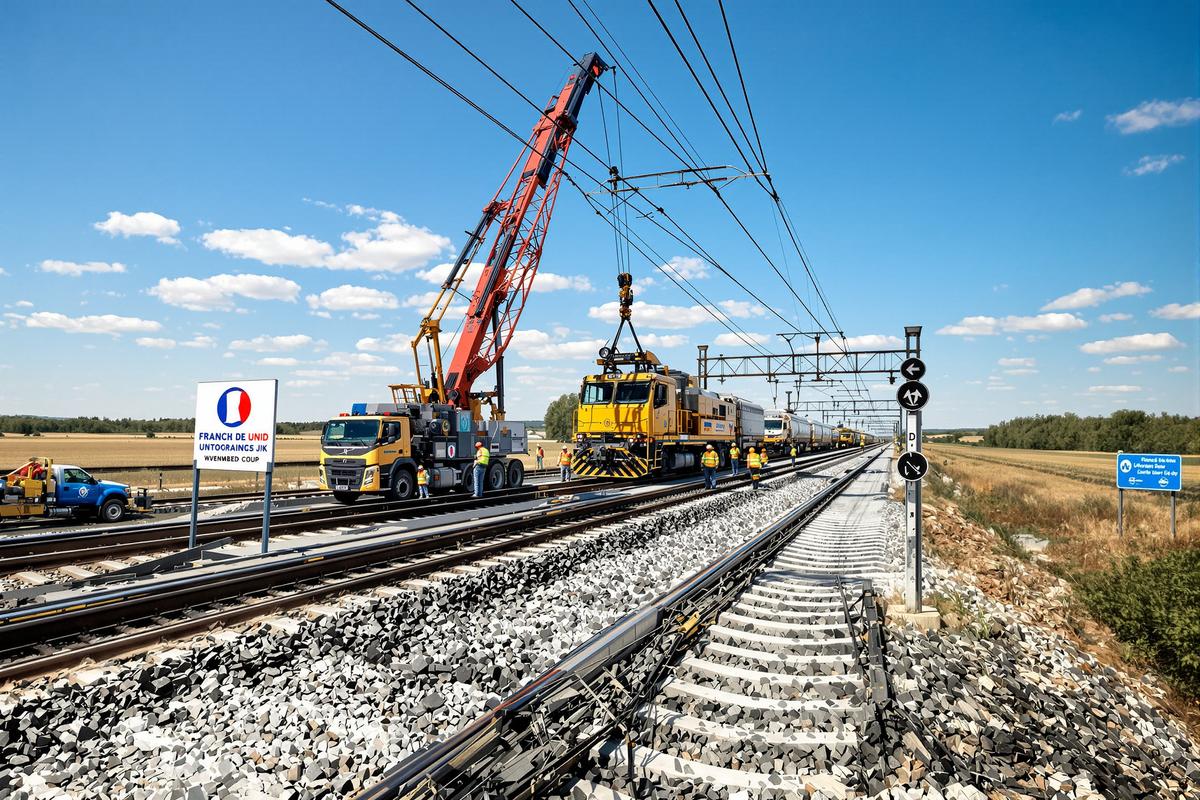
Ukraine’s rail system is crucial. During wartime, it’s the backbone of supply and mobility. During peacetime, it drives commerce and connection. The €470 million deal—partly funded through French state-backed loans and development grants—targets dozens of kilometers of vital routes, creating a faster, more efficient, and NATO-compatible rail grid.
- Total investment: €470 million
- Main partners: Alstom (France) and Ukrzaliznytsia (Ukraine’s state railway company)
- Scope: Track modernization, new locomotives, and upgraded signaling systems
- Timeline: 2024 to 2028
Think of this as more than a facelift. It’s a strategic play to align Ukraine’s infrastructure with EU standards, improve military logistics, and increase economic resilience. Faster rail means troops move quicker. Goods travel cheaper. Key cities stay connected—even during conflict.
The Rafale Order: A Massive Win for French Industry
Let’s not ignore the jaw-dropping scale of the Rafale jet order. At an estimated market value of over €15 billion, this may be the largest-ever export deal for Dassault Aviation. Each Rafale costs around €150 million, including support systems and pilot training.
The aircraft themselves are top-tier. Ukraine’s order likely includes:
- 60 Rafale B (two-seater) for training and strike operations
- 40 Rafale C (single-seater) for air defense missions
- Integrated weapons systems, including laser-guided bombs and Meteor missiles
- Maintenance and simulator packages to train Ukrainian pilots inside the country
But delivering 100 jets won’t happen overnight. These planes will roll out over several years, with pilot training, infrastructure, and air bases developed in parallel. It’s a deep military partnership—not a quick arms deal.
France’s Dual-Track Strategy: Defense + Infrastructure
What’s clear is that France isn’t just thinking about short-term defense. With this blended package, the French government is linking military strength and national reconstruction.
After all, Ukraine is facing the colossal task of rebuilding while still skirmishing with a persistent adversary. France’s bundled strategy provides air superiority for defense and railways for development. It’s peace-building wrapped in concrete policy.
It also sets a blueprint: future support for Ukraine might increasingly look like this—hard defense paired with soft infrastructure diplomacy.
The Hidden Leverage of Rail
Why does rail matter so much? Here’s why this deal might be the real shock:
- Strategic mobility: Armies win wars if they move faster. Railways provide a stable, fuel-efficient way to shift troops and materials.
- Economic integration with the EU: Standardizing gauge, signaling, and transport flows brings Ukraine closer to the European market.
- Domestic recovery: Jobs, regional connectivity, and industrial growth all depend on smart transport infrastructure.
Surprised? You’re not alone. In geopolitical chess, rail may not be the queen—but right now, it’s becoming one hell of a power piece.
Looking Ahead: A Sign of France’s Long Game
In pairing fighter jets with freight trains, France is playing a long, deliberate game in Ukraine. Rafales provide protection. Railways push prosperity. Together, they tie Ukraine to Europe more tightly—with French fingerprints all over the blueprint.
For Ukraine, this isn’t just a shopping spree. It’s a statement. Eyes are on the skies, but the future is being laid on the tracks—kilometer by strategic kilometer.