Winter can be tough on wildlife. As temperatures drop and natural food sources disappear, birds and hedgehogs struggle to survive. But here’s something surprising—a simple garden trick could make all the difference. Experts say this little gesture could help save small animals right in your backyard.
Why gardens matter more than you think
Your garden isn’t just a patch of grass or a few flowers. It’s part of a bigger network that supports local wildlife. In winter, when landscapes freeze over, gardens can turn into safe havens. But only if we set them up right.
Even if your space is small, it can still be life-saving. A few smart changes can offer birds and hedgehogs shelter, food, and warmth during the coldest months of the year.
The small trick that makes a big impact
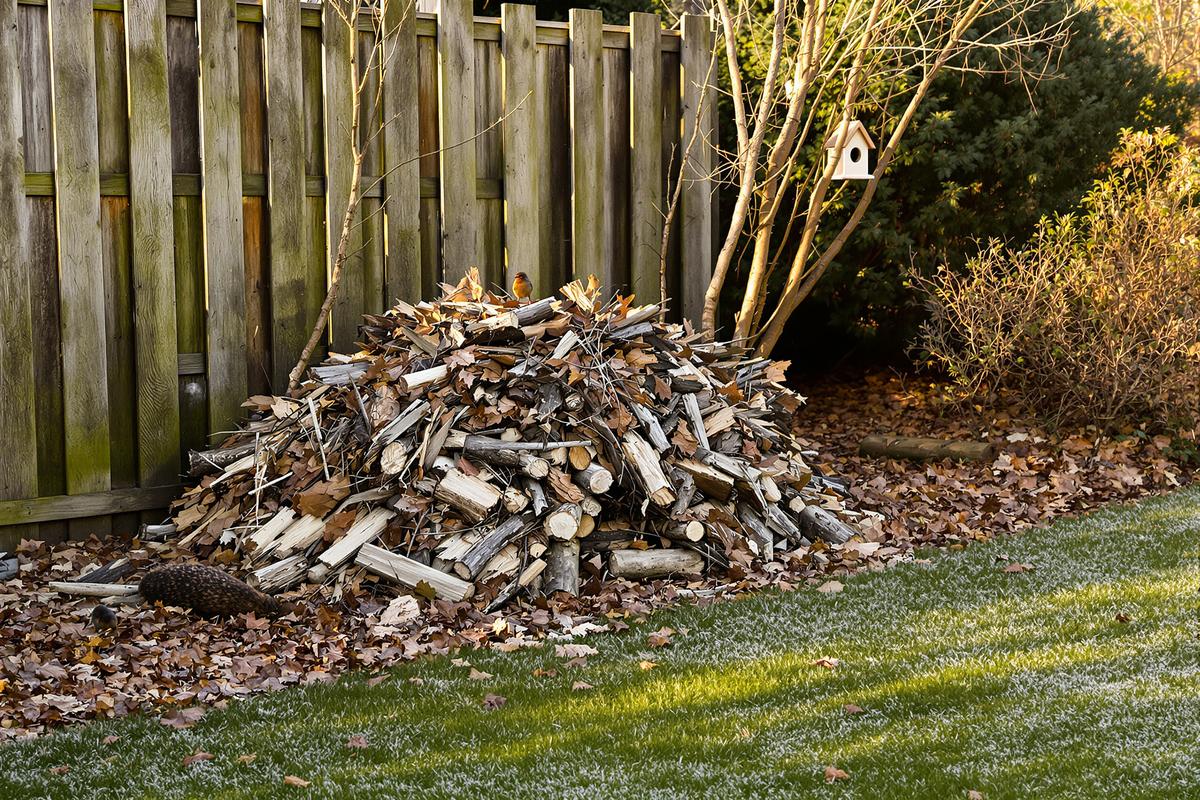
According to wildlife experts, the trick is simple: build a “wild corner” and leave it untouched all winter. It sounds too easy to matter—but it works.
Here’s how to do it:
- Pick a corner or edge of your garden that gets low foot traffic
- Pile up dry leaves, sticks, logs, and twigs—like a mini woodpile
- Leave it alone from late autumn to early spring
This quiet, messy area provides natural shelter that mimics the forest floor. Hedgehogs crawl in to hibernate. Birds forage for tiny bugs hiding inside. It’s their hidden winter lifeline.
What else can you do to help?
Setting up a wild corner is a great start, but you can go further. Here are some extra ways to protect birds and hedgehogs when temperatures drop:
1. Provide fresh, unfrozen water
Clean water is hard to find in winter. Birds especially rely on it to stay hydrated and clean their feathers.
- Use a shallow dish and place it in a sunny spot
- Add a floating ball (like a ping-pong) to keep water from freezing fast
- Change water daily if it freezes overnight
2. Put out the right food
Winter diets are different from summer snacks. Animals look for high-energy food to survive cold nights.
- Birds love: sunflower seeds, fat balls, suet blocks, and chopped apples
- Hedgehogs appreciate: meaty cat food (not fish), crushed peanuts, and dried mealworms
Do not give milk to hedgehogs—it can make them sick. Always offer water instead.
3. Create safe shelter
Not all gardens have natural hiding spots. If you’re short on log piles or bushes, try one of these ideas:
- Buy a hedgehog house (they start around £15–£20)
- Build one from a plastic box: cut an entry hole, fill it with dry leaves, and cover with twigs
- Hang nesting boxes for birds in sheltered spots, about 2–3m above ground
Why hedgehogs especially need your help
Hedgehog numbers in the UK have dropped by 50% since the year 2000. In cities and towns, it’s even worse. Roads, tidy lawns, and fenced gardens cut off their safe routes and shelter.
Without a way to hibernate safely, many don’t survive through winter. By leaving just one part of your garden wild, you’re offering them what they can’t find elsewhere.
When to start and what to avoid
The best time to prepare your winter garden is late October to mid-November. That’s when hedgehogs start looking for hibernation spots.
A few things to avoid:
- Don’t tidy up too much—resist raking every leaf
- Don’t light bonfires made from old piles—small animals may be inside
- Don’t use slug pellets—they can poison hedgehogs who eat infected bugs
The messier, the better, at least for one corner of your yard.
One small act, one big difference
It’s easy to feel powerless about wildlife decline. But this small act—a quiet, wild garden corner—can actually save lives all winter long. It takes little effort and zero cost.
So before you tidy up that leaf pile or trim every hedge, stop and think: could this be a winter home for something wild?
Birds and hedgehogs are counting on places like yours. Why not give them a reason to visit—and a reason to survive?