Car windows get dirty fast — from smudges and fingerprints to stubborn water spots and road grime. While most people rush to commercial glass cleaners, cleaning pros are turning to an unexpected solution that’s probably in your pantry: vinegar. And the results? Honestly, they might surprise you.
Why vinegar works like magic on car glass
It’s not just an old wives’ tale. Vinegar, especially white distilled vinegar, has a unique chemical makeup that makes it a natural glass cleaner. What gives it that punch?
Vinegar is rich in acetic acid. This weak acid breaks down mineral deposits, grease, and dried stains without damaging your glass. Compared to some commercial cleaners packed with ammonia or dyes, it’s gentle and simple — yet highly effective.
The common windshield enemies vinegar tackles
Car glass faces all kinds of tough messes. Here’s what vinegar wipes out easily:
- Water spots: These are usually caused by mineral deposits from rain or sprinkler systems.
- Greasy smears: From hands, dashboard fog, or even off-gassing plastic.
- Bug splatter and bird droppings: Vinegar softens hardened messes so they come off easily.
- Road salt or winter residue: It breaks down salty film built up in colder months.
It’s a quiet powerhouse that leaves glass clean, streak-free, and even a bit anti-static.
How to clean your car glass using vinegar
Before you grab that bottle from the kitchen shelf, here’s the right way to use it for a gleaming windshield or side windows.
What you’ll need:
- 1 cup of white distilled vinegar
- 1 cup of distilled water (this prevents extra minerals getting onto the glass)
- A clean, microfiber cloth
- A spray bottle (glass or plastic)
Simple step-by-step method:
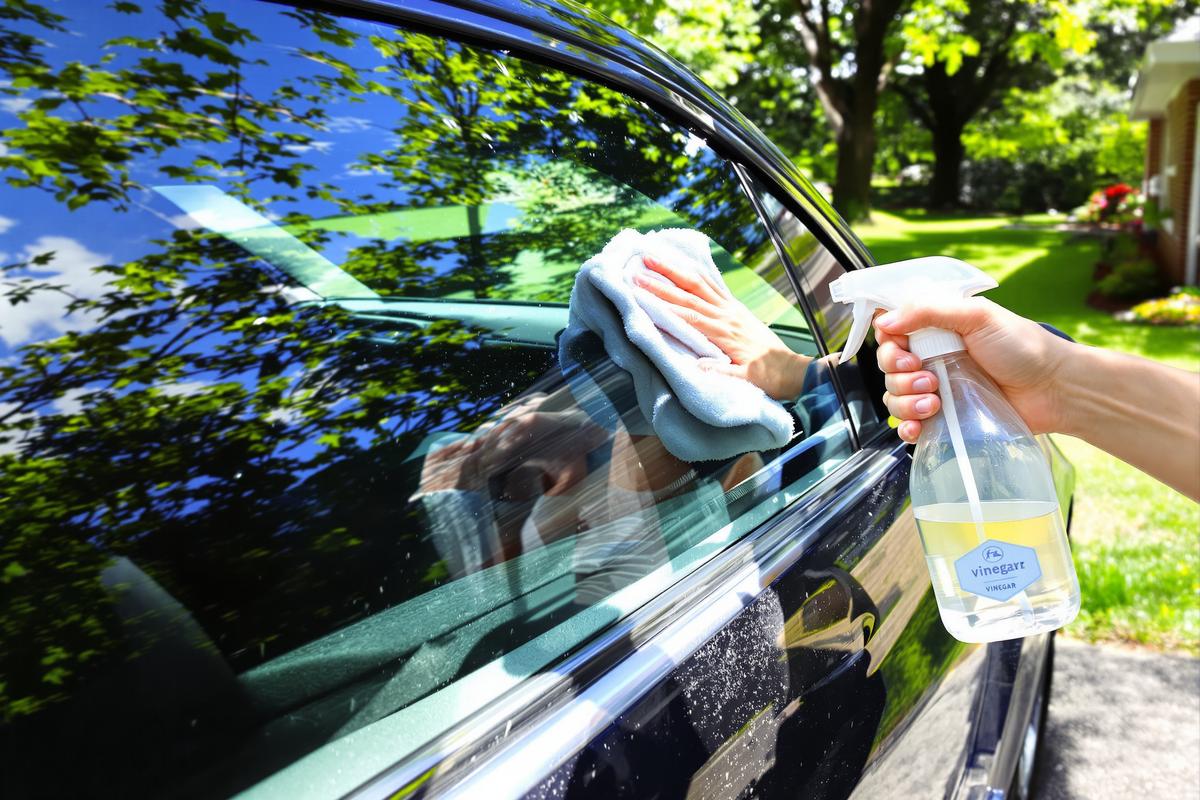
- Mix the solution: Combine water and vinegar in equal parts and pour into your spray bottle.
- Spray generously: Mist the solution onto the glass, covering smudges or cloudy spots well.
- Let it sit: For tough buildup, let it sit for 1–2 minutes to loosen grime.
- Wipe in circular motions: Use the microfiber cloth to buff out residue. Work top to bottom to avoid dripping.
- Use a dry side: Flip the cloth and go over the area again for a streak-free shine.
Vinegar vs commercial cleaners: what’s the difference?
It might seem hard to believe, but many car detailers now prefer vinegar blends over fancy bottled solutions. Here’s why:
- Zero ammonia: Unlike many commercial glass cleaners, vinegar doesn’t contain this harsh chemical, which can damage tint and irritate eyes.
- Better for the environment: It’s non-toxic and biodegradable.
- Budget-friendly: A gallon of vinegar costs less than most glass-cleaning sprays, and it lasts longer too.
- Safe for inside use: There’s no strong chemical smell in your car cabin after using it.
The only downside? Vinegar has a strong smell. But don’t worry — once it dries, the odor quickly disappears.
Tips to get that spotless finish
Ready to see the results for yourself? Here are a few pro-level tricks to make your efforts really shine:
- Clean in the shade: Sunlight dries the solution too fast and can leave streaks.
- Use two cloths: One wet for cleaning, one dry for polishing. No smudges, no problem.
- Avoid paper towels: They leave lint and often don’t glide smoothly on glass.
- Clean both sides: Sometimes it’s the inside that’s actually dirty — especially from AC fog or smoke.
The surprising result (and why you’ll keep using it)
Once you try cleaning your car windows with vinegar, you’ll notice crystal-clear glass that seems to repel dust for days. Customers often report fewer smears after driving in light rain and less dashboard haze overall. That’s not magic — just science.
Still skeptical? Try it once on a small side mirror. The clarity difference is instantly visible. And from there, many switch permanently to this easy, low-cost hack.
When not to use vinegar on your car
Though it’s great for glass, it’s not suitable for every surface. Here’s where you should avoid vinegar:
- Painted areas: It can dull down wax or protective coatings.
- Electronic screens: Avoid infotainment displays; they may have coatings that vinegar can harm.
- Heated side mirrors: Check your car model — a few automakers advise against acidic cleaners here.
Always test on a small area if you’re unsure. But for most car windows? Vinegar isn’t just safe — it’s shockingly effective.