
Many people think they know how much firewood they’ll need for the winter. But most of the time, they either buy way too much or not nearly enough. Getting it wrong can lead to cold nights, extra deliveries, or wasting money. So let’s clear things up—and help you figure out exactly how much firewood you really need for a stress-free winter.
Why most people misjudge their firewood needs
It’s easy to make a rough guess, but winter is longer and colder than many expect. A few fires here and there? Sure, you might not need much. But if a wood stove or fireplace is your main heat source, your needs change. Fast.
Also, firewood varies. One cord of dense oak isn’t the same as a cord of soft pine. There’s a big difference in how hot—and how long—each type burns.
How much is a “cord” of firewood?
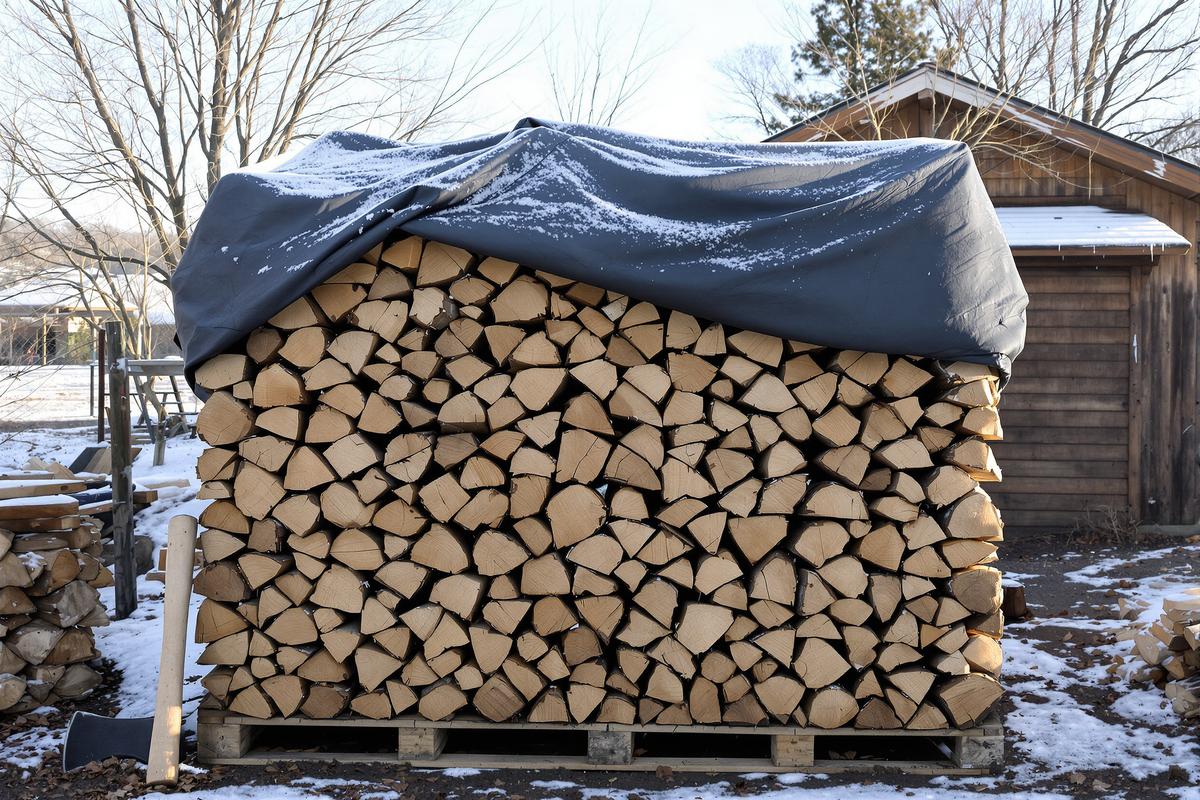
You’ve probably heard the term, but what does it really mean? A cord is a stacked pile of wood that measures:
- 4 feet high
- 4 feet deep
- 8 feet long
That’s 128 cubic feet of firewood. But take note: some sellers offer a “face cord,” which is a single stack 4 feet high and 8 feet long—but only one log deep. That’s usually around one-third of a full cord. Ask specifically to avoid confusion.
How much firewood do you really need?
Here’s a basic rule of thumb:
- Occasional fireplace use (1–2 times per week): 1–2 cords per winter
- Mainly for ambiance or backup heat: 2–3 cords
- Wood stove as a primary heat source: 4–6 cords (in cold climates)
If you live in areas like New England or the Midwest, lean toward the higher end. In milder places like the South or Pacific Northwest, you can get away with less.
Other key factors to consider
Your firewood needs depend on more than just how often you burn. Here are a few surprises that can nudge your total up or down:
- Insulation: Drafty homes burn through wood faster.
- Wood type: Hardwood (oak, hickory, maple) burns hotter and longer than softwood (pine, spruce, fir).
- Moisture: Wet wood burns poorly. Seasoned wood (under 20% moisture) gives you more heat per log.
- Burn habits: Do you slow-burn all day or light short evening fires? It matters.
How to measure and store your firewood
To make sure you’re getting a full cord, stack and measure after delivery. Lay it out in a tight pile—no gaps, no leaning stacks.
For safe storing:
- Stack it off the ground, using pallets or cinder blocks.
- Keep it covered, but let the sides breathe—use a tarp or a firewood shelter that sheds rain and snow.
- Allow proper seasoning: If buying green wood, let it dry for 6–12 months before burning.
Buying tips: avoid getting shorted
Unfortunately, not all firewood sellers are honest. Some might advertise a cord, but deliver less. Here’s how to protect yourself:
- Ask for a written receipt stating the amount delivered.
- Be present at delivery, and measure the stack yourself.
- Buy from reputable, reviewed suppliers, ideally local ones that neighbors recommend.
What happens if you buy too much—or too little?
Too little? You could run out mid-January, and scramble to find more when prices peak. That means higher costs and possible delays.
Too much? Good news—properly stored wood lasts for years. Having a buffer means peace of mind, especially during surprise cold snaps.
Final tip: track your burn rate
Still unsure? Here’s a simple trick that helps over time:
- Start winter with a full cord and track how long it lasts.
- Make a note in your phone or journal—how cold it was, how often you burned.
After one season, you’ll know your household’s exact pace. No more guessing, no more buying blind.
Wrap-up: comfort starts with preparation
Having the right amount of firewood is more than a budget issue. It’s about comfort, safety, and ease. When the snow starts falling and the nights get longer, the last thing you want is worrying about running out.
So measure carefully, plan ahead, and store smart. That way, your winter can be warm, cozy—and totally worry-free.