
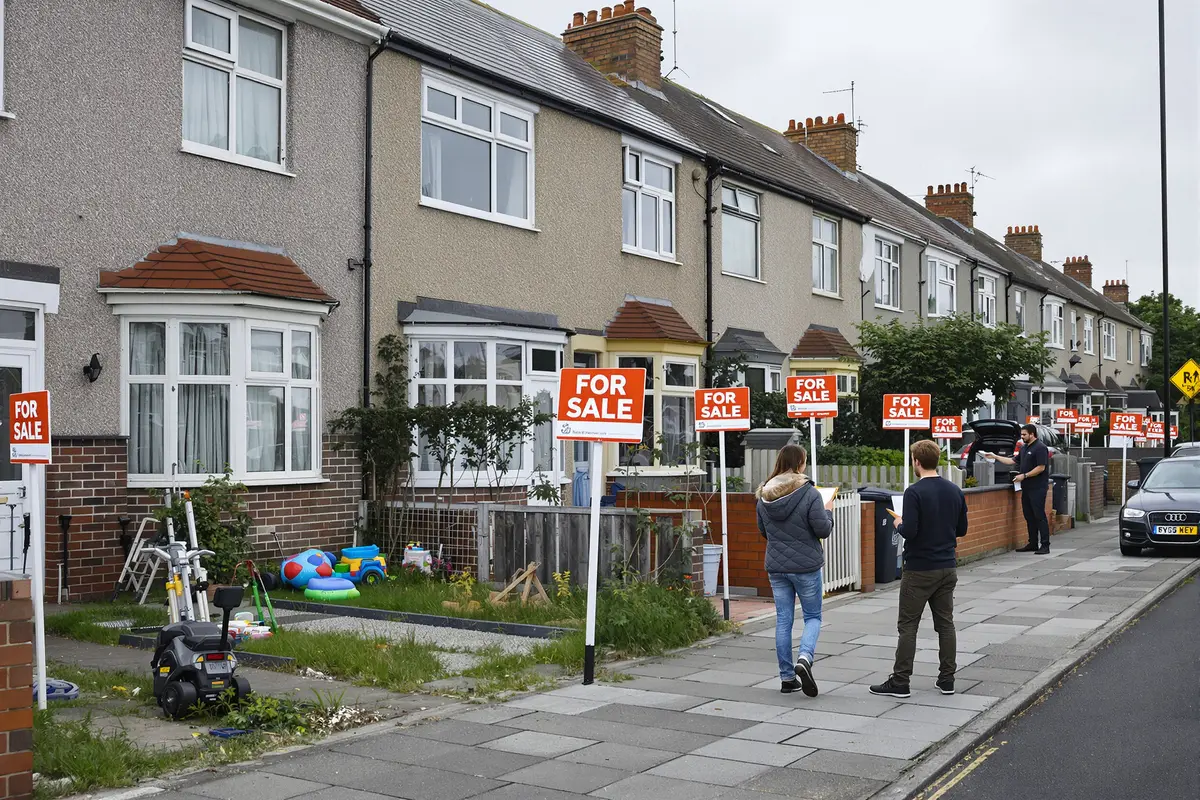
Suddenly, your rent feels less secure. Your landlord’s hinting at selling, rules are changing, and homes nearby are disappearing from listings. What’s going on behind closed doors has now crept into your hallway—and it’s reshaping private renting for millions.
Why small landlords are leaving—and what it means for tenants
Across towns and cities, long-time landlords are quietly leaving the rental market. It’s not a dramatic exodus, but a slow, steady one. The cause? A mix of new housing rules, rising mortgage rates, and increasing responsibility.
These new rules are meant to protect renters. They cap rent increases, increase notice periods for evictions, and require stricter safety standards. But for many small landlords, especially those with just one or two properties, they’ve become the final straw.
- Rent controls limit how much landlords can adjust rent with inflation
- Safety regulations require additional inspections and upgrades
- Eviction rules make it harder to reclaim their property quickly
Combine that with stagnant local rents and higher costs, and many say the stress simply isn’t worth it anymore. When they leave the market, their houses are often sold—not re-rented. That means one less home for someone like you.
Short-term shifts, long-term consequences
When a landlord sells, the impact on tenants feels immediate. Tenants may get 30 or 60 days to move—but finding a new place isn’t so simple. In one Midlands town, a letting agent said rental listings dropped by one-third in just 18 months.
Often, buyers are switching homes to short-term holiday lets, or converting them for other uses. In many cases:
- Families are pushed into bidding wars for the few decent rentals left
- Some move in with relatives “just for now” — which turns into a year
- Others accept higher rent, smaller homes, or longer commutes
This isn’t about TV-style evictions. It’s about quiet, slow displacements that shake daily life. Kids change schools. Workers lose their routines. Communities become unstable.
Your rights are growing—but the options aren’t
On paper, you have more rights than a decade ago. But in real life, those rights don’t help if there are fewer homes available. Once a landlord decides to sell, it’s hard to reverse. That’s why early action matters.
What you can do—before things fall apart
You can’t stop a landlord from selling. But you can soften the impact and plan smarter. Here’s how:
- Know your tenancy agreement—line by line. Understand notice periods, rent reviews, and your repair responsibilities.
- Stay organized—keep a folder of emails, texts, and inspection reports. These records matter during disputes.
- Talk early—if your landlord seems distant or mentions “uncertainty,” ask them plainly if they’re thinking of selling.
One Bristol couple did just that. Their landlord mentioned new regulation worries. They invited him to coffee, offered a modest rent increase, and secured a 24-month lease. A small conversation gave them two years of security—without a moving truck in sight.
Red flags to watch for in a shifting market
In an unstable market, scams and wishful thinking rise. Stay sharp. Avoid these common traps:
- Deals off the record – If there’s no contract, there’s no protection.
- Large cash payments – Refuse to pay anything without a receipt or formal invoice.
- No-written inspection requests – Always ask for promises in writing after a visit.
- Sudden rent hikes – Know what’s allowed, and push back respectfully if needed.
Sometimes, the best move you can make is walking away from a bad tenancy before it becomes unbearable. Look for help early—from housing advisers, local charities, or renter unions. You don’t need to wait until things fall apart to ask for support.
What’s really changing in private renting?
The private rental market is being reshaped. Regulations are designed to remove bad actors. But it’s often the small, local landlords bowing out—tired, worried, or priced out by compliance. When they leave, large property firms step in. Their approach is different:
- Corporate landlords prefer fixed procedures and stricter screening
- You’re more likely to get app-based systems than face-to-face contact
- Stable yes—but flexible? Often not
For renters with irregular income—freelancers, part-time workers, single parents—this new system can feel less forgiving, even if it’s more regulated.
Last thoughts: stay ready, stay grounded
Your home is more than furniture and walls. But when landlords exit, it can suddenly feel like your living space is just a line item on a stranger’s spreadsheet. While the system shifts, here are a few steps that help you stay one move ahead:
- Have three months of key documents (ID, pay stubs, references) saved in a digital folder
- Know your local housing adviser by name before you ever need them
- Stay alert to early signs—like fewer repairs or sudden listing conversations
- Don’t avoid uncomfortable chats—ask what’s happening before the “Section 21” letter arrives
The housing market won’t change overnight. But your ability to move smarter, ask sooner, and prepare better can make all the difference. Because when the music stops, you want to be holding more than just your suitcase.