What if growing old didn’t have to mean handing over your independence? What if the secret to a long, healthy life wasn’t new medicine or machines—but everyday moments done with intention? One 100-year-old woman is quietly proving that habits might just be stronger than hospital beds. Her story sends a message we can’t ignore.
Why Margaret says no to retirement homes
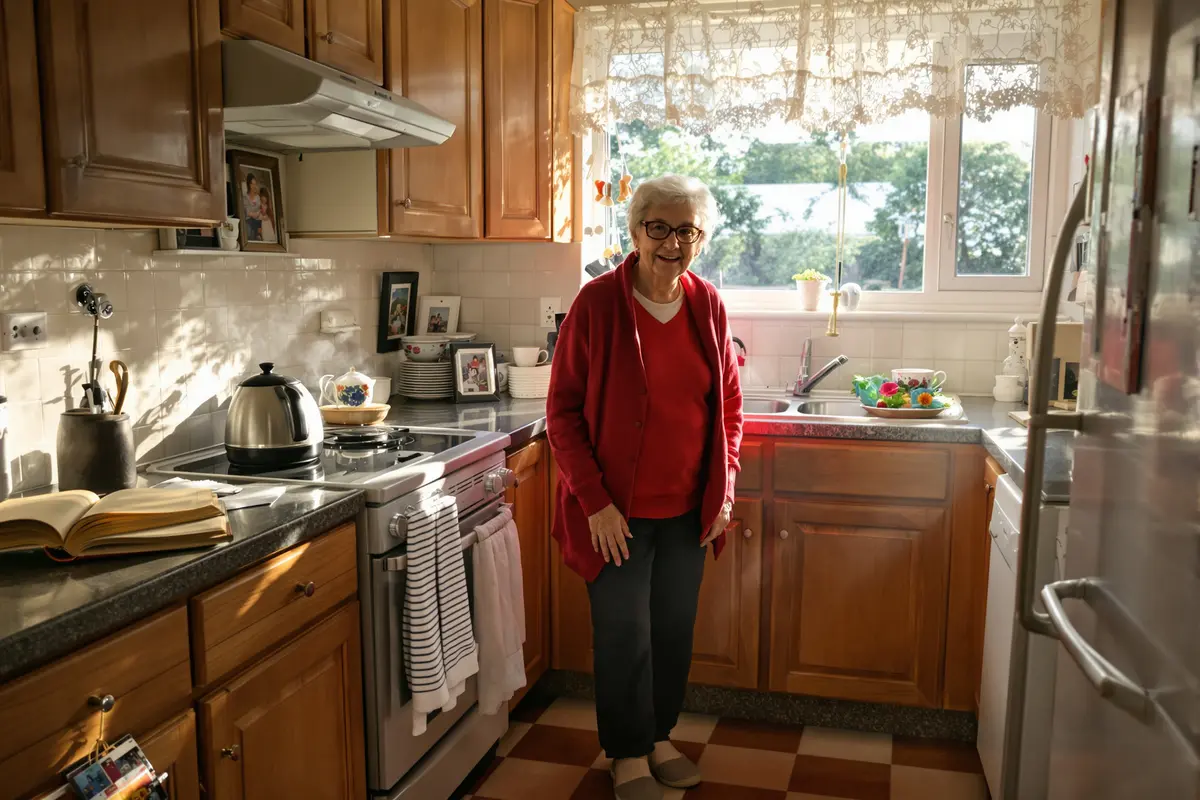
Margaret is 100 years old. She still lives in her own home, gets up at the same time every morning, and she hand-washes her favorite blouse because “machines ruin the buttons.” When her doctor suggested a retirement home for safety and comfort, she politely declined—and showed him the notebook where she tracks her steps, blood pressure, and neighbors she’s helped that month. “Doctors love charts,” she said. “Here are mine.”
She hasn’t spent a night in a hospital since the 1970s. Most of her interactions aren’t with nurses but with neighbors, shopkeepers, and the postman. She’s not against care. She’s just choosing a different kind.
Her against-the-grain philosophy of ageing
Here’s what makes Margaret’s way so bold: she doesn’t believe ageing is a disease. “Getting old isn’t an illness,” she says. “It’s a job.” And for her, that job doesn’t include being told when to eat or sleep.
She refuses to let fear—of falling, of illness, of loneliness—decide for her. Instead, she turns to habits. Working routines that keep her mind sharp and her body moving.
- Walks to the corner shop daily, even in the rain
- Does squats and leg lifts while waiting for tea to brew
- Talks regularly with neighbors and friends instead of Googling symptoms
- Keeps a daily notebook to track patterns in her sleep, meals, and mood
The quiet power of small rituals
What fuels her independence isn’t some magic supplement. It’s structure. Her life is filled with tiny rituals:
- Same breakfast table every morning
- Washing dishes immediately after eating
- Walking her hallway ten times before sitting down
- Stretching during chores—sugar jar raises, kettle-side balances, microwave warm-up stretches
It sounds simple, even boring. But it’s precisely that repetition that keeps her grounded. “If I sit too long, I feel like a plant someone forgot to water,” she says.
Why she “sacked her doctor”
Is Margaret against medicine? Not quite. She respects doctors—for emergencies, serious illness, and mystery symptoms—but doesn’t see the need to run to the clinic for every headache or cramp. She’s only visited a doctor three times in five years, and says most visits were more for the doctor’s records than her own needs.
Her attitude offers a wake-up call: “Use doctors for what they’re brilliant at—emergencies, puzzles, surgeries. Not for every bad dream and lonely afternoon.”
What her choices teach the rest of us
Let’s be honest: most of us already know that movement, sleep, and real food are powerful. But when something feels off, we often look outward, searching for quick answers instead of tuning into our daily patterns.
Margaret flips the script. She treats health as self-observation first, medical advice second. Her daily routines act as constant check-ups—tracking when something feels off before it turns into something critical.
Three rules from a 100-year-old rebel
1. Move before you medicate
If something hurts, give it a few days. Stretch. Drink more water. Rest. Adjust meals. Those gentle acts often do more than a quick pill.
2. Talk before you Google
Say your worries out loud to someone. A neighbor. A friend. A loved one. Often, just hearing it in real words shrinks the fear.
3. Block negative inputs before bed
No news after 8 p.m. No money talk. No politics. Margaret says tired brains imagine illnesses. Sleep is her medicine, and she protects it.
How families can find a middle ground
Not every aging parent can—or should—live alone with full independence. But Margaret’s story shows there’s often a space between full medical care and full retreat. Maybe it’s more check-ins. Maybe it’s small adaptations at home. Maybe it’s respecting their rhythm instead of replacing it.
Her daughter once booked a home care visit without asking. Margaret’s answer? “Next time, ask me first. I’m old, not furniture.”
Takeaways that fit your life today
You don’t need to be a centenarian to adapt her lessons. Here are three easy ways to start:
- Track one routine this week: steps, sleep, or meals
- Set one health boundary: Ask questions before accepting new medication
- Claim one daily outdoor moment, even if it’s just five minutes on your porch
The real secret: being in charge of your time
Margaret’s house looks ordinary. The gate squeaks, the toast burns some mornings, and her glasses go missing often. She’s not magical. She’s just clear about one thing: she won’t trade control of her daily rhythm for safety padded with silence.
And maybe that’s what we’re all really craving—not fewer aches, not longer lives, but ownership over how we spend our days.
Next time you’re sitting in a waiting room, or wondering what the “right choice” is for your aging parent or yourself, picture this: a woman in a red cardigan doing squats in her kitchen, proving that courage lives in the small habits. And that your health might start with putting the kettle on, not charging your smartwatch.