
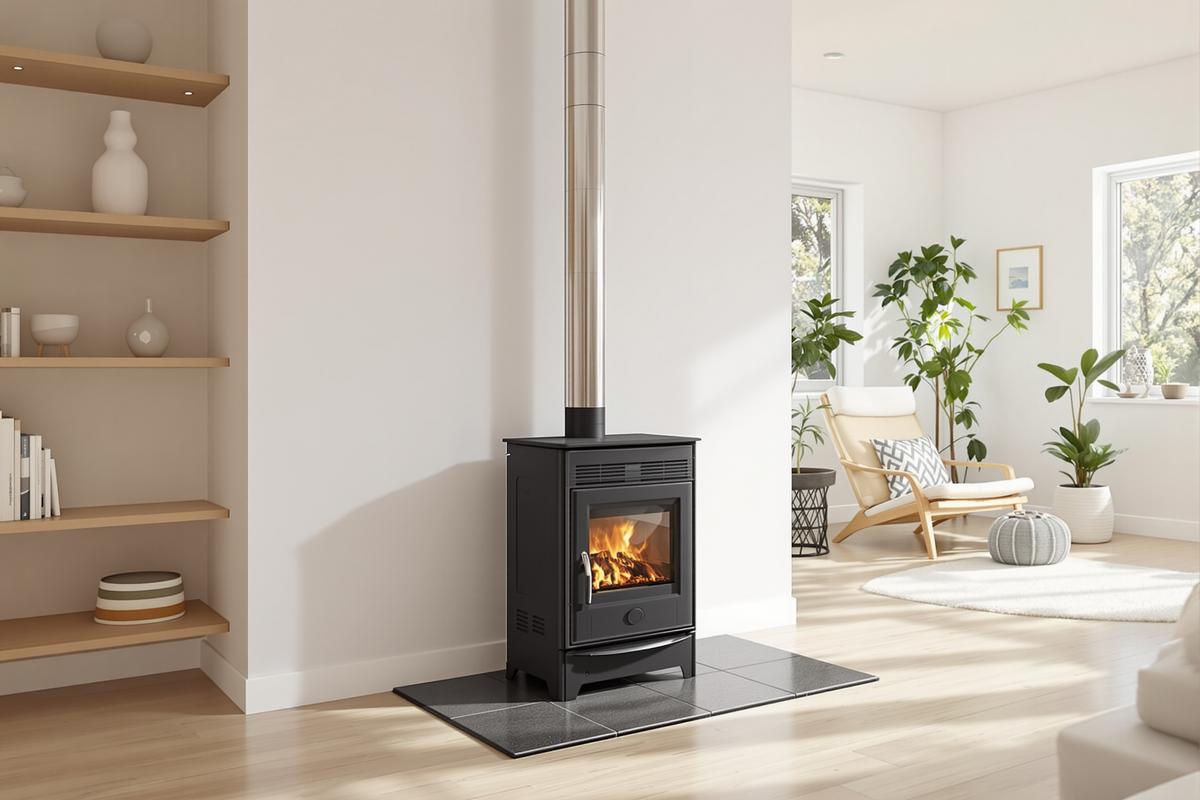
Thinking about installing a pellet stove but your home doesn’t have a chimney? You’re not alone. Many people living in newer homes, apartments, or retrofit renovations face the same challenge. The good news? You don’t need a traditional chimney to enjoy the warmth and efficiency of a pellet stove—but you do need to follow some important rules.
If you skip over a key legal or safety requirement, you could face fines, insurance issues, or worse—a home fire. Here’s how to do it legally and safely, even with no chimney in sight.
Can You Install a Pellet Stove Without a Chimney?
Yes, you can. Pellet stoves are different from wood-burning stoves and fireplaces. They use a small amount of forced air venting to push smoke and combustion gases outside. That means you don’t need a full chimney—just the right type of venting system installed correctly.
Instead of a chimney, you’ll be using what’s called a direct vent or through-the-wall vent. It works sort of like a dryer vent—it goes straight through an exterior wall to the outside. But don’t let the simplicity fool you. This setup must meet local building codes, fire safety rules, and often requires permits.
This One Rule You Can’t Skip: Local Code Approval
Before you touch a drill or buy that pellet stove, you must check your local building codes. Why?
- Every town or county may have different rules based on your home’s structure, zoning, and safety standards.
- Some municipalities require a professional inspection before and after the installation.
- If you skip the permits and something goes wrong, your home insurance may not cover the damage.
Call your local building department or check their website. They can tell you exactly what paperwork and inspections you need. This step may sound boring—but it saves you a lot of time, money, and stress down the road.
What You’ll Need for Installation
Once you’ve cleared the permit hurdle, it’s time to plan your venting system. Here’s what most pellet stove installs without a chimney require:
- Through-the-wall pellet vent kit – usually includes a wall thimble, exhaust pipe, and outer cap. Price range: $150–$400.
- Double-wall vent pipe – keeps heat inside and protects siding and wall surfaces from burning.
- Fresh air intake pipe – some homes need an outside air kit to allow better combustion (it prevents pulling air from inside your living space).
- Proper floor and wall clearance – most stoves need at least 3–6 inches from any wall and must sit on a non-combustible hearth pad.
Make sure to buy all venting components rated specifically for pellet stoves. Wood stove kits won’t work the same way.
Who Should Install It?
If you’re handy and have the proper experience with power tools, you might be able to do the job yourself. But here’s a tip: many warranties and local laws require installation by a certified professional.
Hiring a pro may cost $500–$1,500 depending on complexity and location. But that fee usually includes:
- Accurate pipe routing
- Safe electrical connections
- Code-compliant wall clearance
- A written installation certificate (useful for insurance)
If you’re not 100% sure about tackling the job, it’s worth paying for peace of mind.
Important Safety Checks After Installation
Once everything’s in place, don’t light a fire just yet. Run this checklist first:
- Make sure all pipe joints are sealed and tightly connected
- Test the blower fan (most pellet stoves have one to push air through the house)
- Install a carbon monoxide detector nearby—non-negotiable
- Keep at least three feet of clearance around the front of the stove
Also, schedule an annual inspection. Pellets burn clean, but the vent pipe can still collect ash or soot buildup over time.
The Bottom Line: Legal, Safe, and Cozy
Installing a pellet stove without a chimney is absolutely doable—and done right, it’ll keep your home cozy for years. But skipping over legal steps is a shortcut you can’t afford. From permits and code checks to correct venting materials, take every stage seriously.
That one rule about checking local codes? Don’t put it off. It could be the difference between a smooth install and a costly mistake.