Seeing smudges and streaks on your car windows can be frustrating—especially after you’ve just cleaned them. But what if we told you there’s a cheap, natural solution sitting right in your kitchen that cleaning experts swear by? That’s right: **white vinegar**. It’s not just for salad dressing or pickling. When used correctly, vinegar can leave your car windows sparkling like new.
Why vinegar works like magic on glass
At first glance, vinegar might not seem like a powerhouse cleaner. But it has a secret weapon: **acetic acid**. This natural compound cuts through grease, grime, and hard water stains that many regular cleaners miss.
Unlike commercial glass cleaners loaded with dyes and ammonia, vinegar is simple, safe, and effective. It breaks down film left behind by road debris, pollen, insects, and even rain. And the best part? It leaves no sticky residue behind.
The simple vinegar recipe pros use
You don’t need fancy tools or a big budget to clean like a pro. Here’s the go-to mix most experts rely on:
- 1 cup white distilled vinegar
- 1 cup warm water
- 1 spray bottle
- 1 clean microfiber cloth
Add the vinegar and water to the spray bottle, shake gently, and you’re ready to go! For extra punch in winter, warm the mixture slightly before using.
Step-by-step: How to clean your windows with vinegar
It’s not just what you use—it’s how you use it. Follow these steps to make your windows gleam:
- Step 1: Park your car in the shade. Sunlight dries the cleaner too fast and can create streaks.
- Step 2: Spray the vinegar solution liberally on the window.
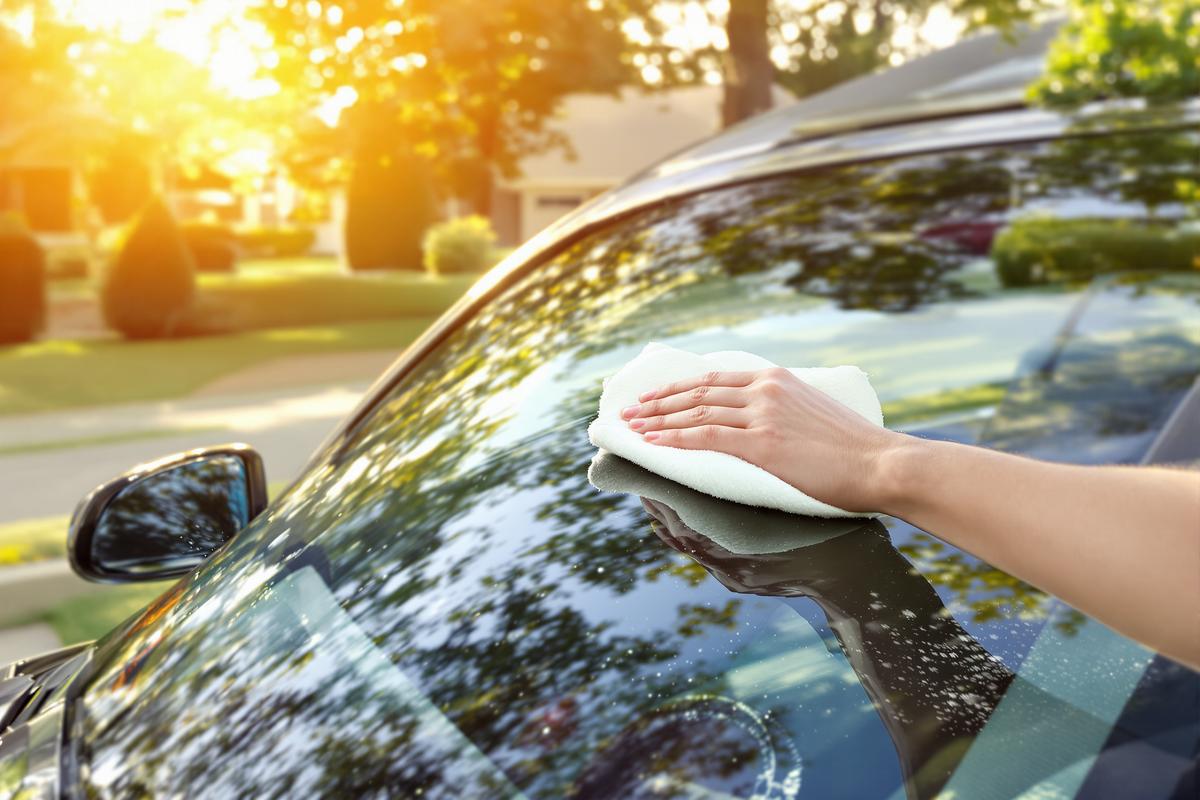
- Step 3: Wipe in a circular motion using a microfiber cloth. This lifts dirt without scratching.
- Step 4: Flip the cloth to a dry side and buff the glass until it shines.
- Optional: For stubborn spots, spray directly on them and let it sit for one minute before wiping.
It’s that simple. And you’ll probably be stunned at how clear your windows look afterward.
Bonus tip: Clean the inside too
The inside of your windows collects fingerprints, smoke residue, and foggy buildup. Don’t skip them! Use the same vinegar mix, but use a smaller cloth to reach awkward angles near the dashboard.
Safety tip: Avoid spraying onto tint film if your windows have aftermarket tinting. Instead, spray your cloth first, then wipe the glass.
How vinegar compares to store-bought cleaners
Is vinegar really better than commercial glass cleaners? In many ways—yes. Here’s a quick comparison:
| Feature | Vinegar Solution | Store-Bought Cleaner |
|---|---|---|
| Price | Low (pennies per bottle) | Medium to High |
| Streak-Free | Yes, when buffed | Varies by brand |
| Safety | Non-toxic, no fumes | May contain ammonia |
| Eco-Friendly | Yes | Not always |
Clearly, vinegar holds its own—and even outperforms—in many areas that matter.
When vinegar might not be ideal
While vinegar is a star for most glass cleaning, there are a few exceptions:
- Don’t use it on electronics screens or infotainment displays—it can damage coatings.
- It’s not effective on greasy interior plastics—use a purpose-cleaner there.
- Some car owners dislike the initial vinegar smell. It fades fast, but if it lingers, add a few drops of essential oil to the mix.
Final thoughts: Try it once—and you’ll be hooked
Cleaning your car’s windows with vinegar is fast, easy, and incredibly satisfying. The shine it leaves behind can make your whole car feel newer. And once you try it, you may never go back to store-bought cleaners again.
Next time the sun hits your windshield and reveals every streak, you’ll know just what to reach for. A humble bottle of white vinegar might be your car’s best-kept secret.