Space just delivered another mind-blowing surprise. From deep in the cosmos, a comet from beyond our solar system is grabbing headlines—and for good reason. Thanks to new high-resolution images from NASA, we’re getting an unprecedented look at an interstellar comet that’s unlike anything we’ve seen before. The level of detail is stunning. The science? Even more fascinating.
What Makes an Interstellar Comet So Special?
Most comets you’ve heard of come from the icy outer regions of our own solar system. But this one? It came from another star system entirely. That means it’s been traveling through interstellar space for possibly millions of years before happening to pass near Earth.
NASA’s recent images of this comet—named 2I/Borisov—show features that challenge what scientists thought they knew about space rocks. Its size, speed, and chemical makeup don’t line up with typical comets. And that’s exactly what makes it so exciting.
How NASA Captured the Images
This wasn’t your everyday snapshot. NASA used multiple observatories, including the Hubble Space Telescope and ground-based telescopes in Chile and Hawaii. These tools combined to track the comet as it raced past at over 93,000 miles per hour.
Timing was everything. The comet was only visible for a short window—just a few months as it zipped by our solar system. Capturing crystal-clear images at those speeds and distances required expert planning and split-second precision.
What the Images Reveal
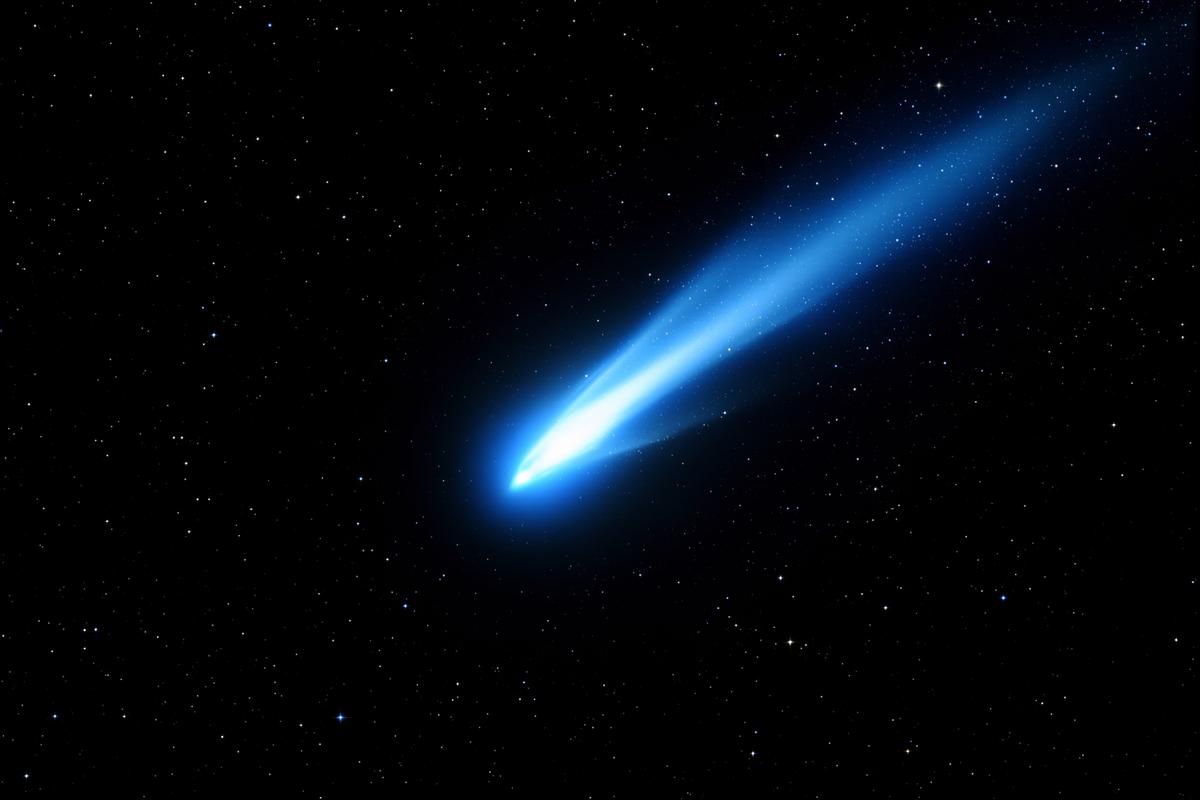
The new photos show a bright, icy core surrounded by a glowing coma—a cloud of gas and dust. But what shocked scientists was how well-formed it looked, behaving a lot like home-grown comets despite its alien origin.
- Size: The core is roughly 0.5 miles wide—small, but dense.
- Composition: The coma contains carbon monoxide and water vapor.
- Color: The images show a bluish tint, likely due to the types of gases released as it heats up.
These clues help researchers compare it to comets born in our own solar nursery, and that’s where things get interesting.
What It Tells Us About Other Star Systems
Interstellar visitors like 2I/Borisov are rare. Only one other has ever been confirmed: the oddly shaped object named ‘Oumuamua in 2017. But unlike ‘Oumuamua, which looked like a cigar-shaped rock with no gas cloud, 2I/Borisov acts more like a classic comet.
That hints at something big: comet formation may be a universal process. Even in far-off star systems, swirling gas and dust can form icy objects just like ours. Scientists now believe that planetary systems all over the galaxy may be more alike than we thought.
Why This Comet Matters for the Future
Every shred of data from 2I/Borisov helps paint a better picture of how our solar system—and others—came to be. Studying its dust, gas, and motion could shed light on how planets form, how they evolve, and whether there’s anything out there that resembles Earth.
And here’s the real kicker: scientists have already started planning missions that could intercept future interstellar objects. Imagine a spacecraft chasing after a comet from another star, collecting samples, and bringing them back home. It sounds like science fiction, but it’s edging closer to reality.
Final Thoughts
NASA’s new images don’t just show us another comet—they open a window to the vast spaces between the stars. 2I/Borisov is a traveler from an alien world, and now, thanks to these sharp snapshots, we’re getting to know it a little better.
For all we know, the next interstellar visitor could already be on its way. And this time, we’ll be ready.