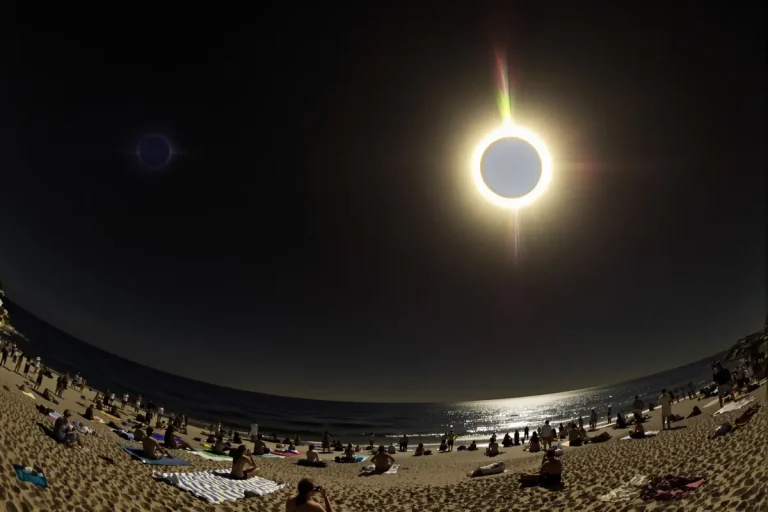
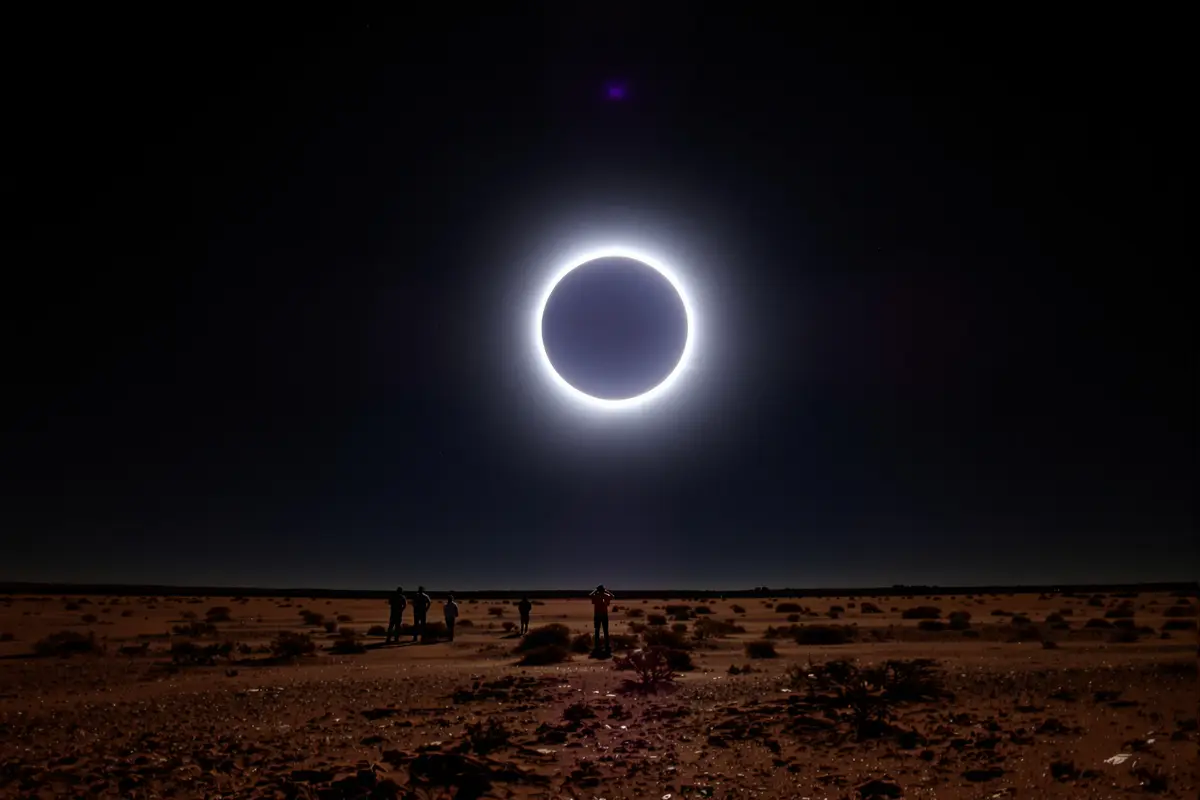
Imagine midday skies turning pitch black, birds going silent, and the temperature dropping—right in the heart of the day. That’s the eerie wonder of a total solar eclipse. And soon, the longest one of this century will be here, bringing over six minutes of near-magical darkness.
What makes this eclipse so special?
The upcoming event isn’t just another eclipse. It’s set to be the longest total solar eclipse of the 21st century, lasting over 6 minutes in some places. For a solar eclipse, that’s incredibly rare. Most last just a couple of minutes. This one? It’s a slow, dramatic show.
When the Moon passes between Earth and the Sun, it casts a shadow. If you’re standing in the right spot—called the path of totality—you’ll witness a total eclipse. The sky goes dark, and only the fiery corona of the Sun remains visible around the edges of the Moon.
When and where will it happen?
Mark your calendars. The eclipse will take place on July 22, 2028. It will cross several countries, offering millions a front-row seat to this rare spectacle. The best viewing spots lie along a narrow band stretching across parts of:
- Australia
- New Zealand (a partial eclipse)
- Portions of the South Pacific Ocean
Some areas within this band will experience total darkness for up to 6 minutes and 23 seconds—a record for this century.
Why does it last so long?
Most eclipses are much shorter because the Moon’s shadow quickly sweeps across the Earth. But a few cosmic factors make this one linger:
- The Moon will be close to Earth—called perigee—so it appears larger in the sky and blocks the Sun longer.
- The Earth will be near aphelion (farthest from the Sun), making the Sun seem slightly smaller and easier for the Moon to cover completely.
- The eclipse path cuts across the equator, where Earth rotates fastest, slowing the shadow’s journey across the surface.
These alignments only happen occasionally, which is why eclipses of this length are so rare.
What will you see during totality?
For those in the path of totality, the experience can be surreal. As the Sun disappears, expect:
- Daylight to fall into a twilight hush
- Birds and animals to react as if night has come
- A dramatic drop in temperature—sometimes by several degrees
- The Sun’s intense corona glowing around the Moon’s edge
It’s a moment many describe as awe-inspiring and even emotional. Veteran eclipse chasers often say once you’ve seen one total eclipse, you’ll want to see them all.
How to prepare if you want to see it
If you’re thinking of watching the eclipse in person, planning ahead is essential. Eclipse-viewing spots fill up fast. Here’s what you should do:
- Pick your spot early—Australia offers many accessible locations along the path of totality
- Book travel and lodging well in advance
- Get proper eclipse glasses to protect your eyes before and after totality
- Have a backup plan in case of cloudy weather
Even a few clouds can ruin the show. That’s why many eclipse watchers choose areas with a history of dry weather for the clearest views.
Don’t miss your chance
Most total solar eclipses are just a few fleeting minutes. This one gives you a rare six-minute window to witness the Moon blot out the Sun. If you’ve never seen totality, it’s hard to put the feeling into words. It’s more than just darkness—it’s a cosmic moment of connection, silence, and wonder.
So whether you travel to watch it or view it online, take the time to witness this celestial event. It won’t happen again like this for more than a hundred years.